The human face is more than anatomy. It is how we communicate, how we are recognized, and in many ways, how we experience the world. When injury, disease, or a congenital condition alters its structure, the consequences go well beyond the physical. Speaking, eating, breathing—and the simple act of looking in a mirror—can all be affected. Facial reconstruction surgery exists to address exactly these problems.
As the American Academy of Facial Plastic and Reconstructive Surgery (AAFPRS) notes, reconstructive surgery is performed to restore the form and function of the face, head, and neck. Trauma, tumors, infection, scars, and congenital anomalies can all affect the normal functioning and appearance of surrounding structures—the eye, ear, nose, mouth, cheek, scalp, and neck. Reconstructive surgery is highly individualized and, in complex cases, may require multiple staged procedures to achieve the most optimal result.
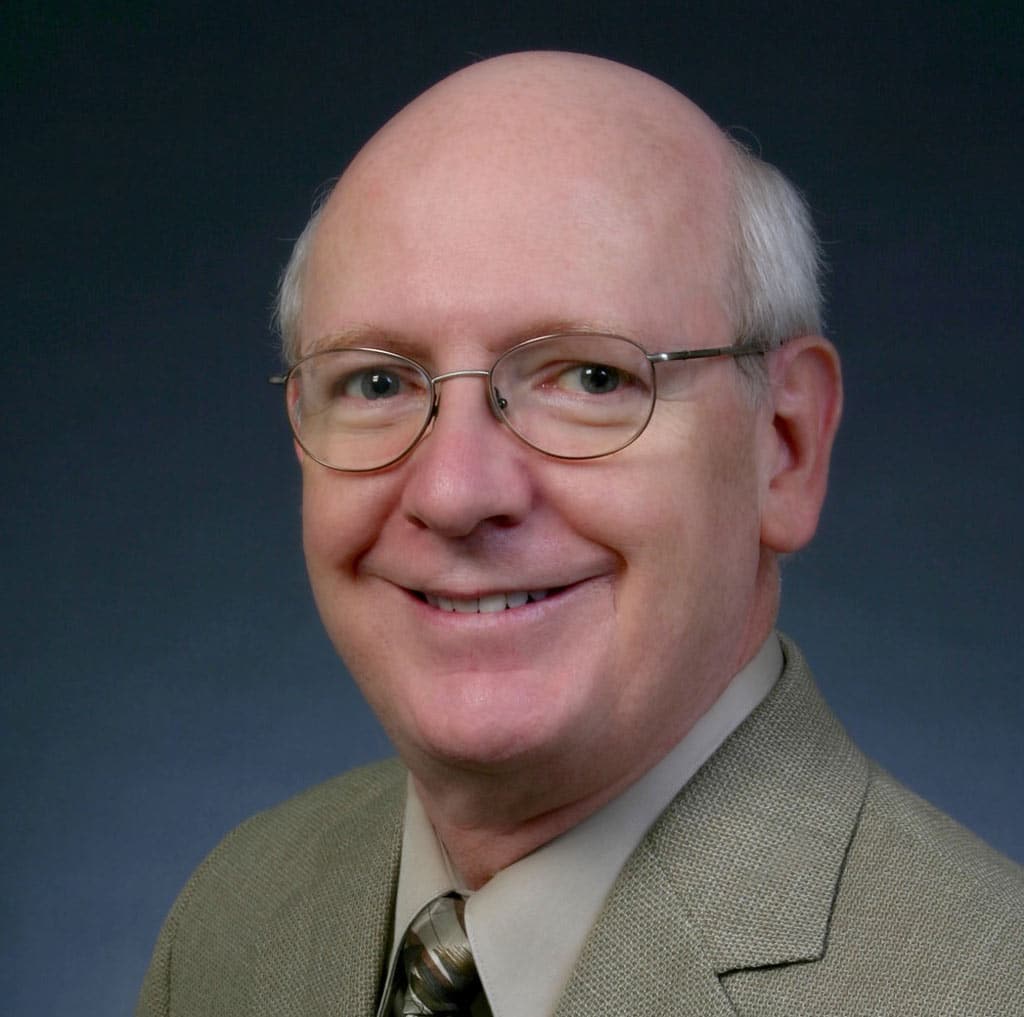
This guide explains who needs facial reconstruction, what surgical techniques are available, and what patients can realistically expect from treatment. It additionally spotlights the work of Dr. Larry M. Wolford, DMD, a world-renowned oral and maxillofacial surgeon whose outcomes have changed the lives of thousands of patients.
Who Needs Facial Reconstruction Surgery?
Facial reconstruction is not a single procedure—it is a spectrum of procedures customized to a patient’s specific condition and goals. Three categories account for the majority of cases.
Facial Trauma
Car accidents, sports injuries, falls, and other high-impact events can cause devastating damage to the facial skeleton and surrounding soft tissues. According to the American Association of Oral and Maxillofacial Surgeons (AAOMS), oral and maxillofacial surgeons are extensively trained in emergency care, acute treatment, and long-term reconstruction of facial trauma patients.
Common trauma-related injuries requiring surgical intervention include:
- Mandibular fractures (lower jaw): A broken lower jaw affects occlusal alignment and the ability to open the mouth, frequently requiring surgical plates and screws for stabilization.
- Maxillary fractures (upper jaw): These may impair breathing and vision and are classified using the Le Fort system (I, II, and III) based on fracture pattern.
- Zygomatic fractures (cheekbone): A fractured cheekbone can flatten the midface and restrict jaw movement.
- Orbital fractures (eye socket): These delicate injuries can cause double vision, a sunken eye look, and nerve damage, calling for exact surgical repair to protect the eye and surrounding structures.
Soft tissue injuries—lacerations, contusions, and abrasions—frequently accompany these bony injuries. A skilled maxillofacial surgeon meticulously closes these wounds layer by layer to minimize scarring and prevent damage to underlying nerves and glands.
Congenital Defects
Some patients are born with structural abnormalities of the face that require surgical correction to enable normal development and function. Cleft lip and palate is among the most well-known, but inherited disorders extend to craniosynostosis, hemifacial microsomia, and various craniofacial syndromes.
As outlined by the American Society of Plastic Surgeons (ASPS), reconstructive surgery treats body parts affected aesthetically or functionally by congenital defects and developmental abnormalities. These conditions can greatly affect a person’s speech, ability to eat, hearing, and appearance—making timely, well-planned surgical intervention critical.
Post-Tumor Reconstruction
Benign and malignant tumors affecting the face, jaw, and neck often require surgical resection, which can leave substantial structural deficits. Mayo Clinic’s facial plastic and reconstructive surgery program specifically lists skin cancer reconstruction and facial reconstruction among its core services, reflecting how common post-oncologic reconstruction has become.
The reconstructive surgeon’s role here is twofold: to work closely with the oncology team to ensure complete tumor removal, and then to rebuild the affected structures so the patient can regain as close to normal function and appearance as possible.
Surgical Techniques: A Layered Approach
Facial reconstruction draws on a wide range of surgical techniques. The complexity of any given case determines which methods are used—and often, several are combined.
Bone Grafting
When trauma or tumor removal results in bone loss, surgeons must replace or reconstruct the missing skeletal framework. Non-vascularized bone grafts—where bone is harvested from one area of the body and transferred to the defect—are appropriate for smaller defects (generally under 5 cm) in the upper face, provided the overlying soft tissue is adequate (Pang, Cash, & Futran, 2021). For larger defects, particularly in the mandible and midface, they are typically insufficient.
Common donor sites include the split calvarium (skull), rib, and iliac crest (hip). Each carries specific advantages. The iliac crest, for example, provides sufficient bone volume for mid- and lower-face defects and is compatible with future dental implants—an important consideration for younger patients with long life expectancies.
Free Tissue Transfer (Free Flaps)
For larger or more complex defects, free tissue transfer—commonly called a free flap—is now the standard of care. This technique entails harvesting a block of tissue (bone, skin, muscle, or a combination) from a donor site on the patient’s body, along with its supplying blood vessels. The tissue is then transplanted to the face, where microvascular surgery reconnects the vessels under a surgical microscope.
Several workhorse flaps are used in facial reconstruction (Pang, Cash, & Futran, 2021):
- Fibula free flap: Regarded as the gold standard for mandibular reconstruction involving segmental defects. Its long vascular pedicle makes it especially useful for bilateral midface defects.
- Radial forearm free flap: Preferred for soft tissue reconstruction of the midface and perioral region due to its thinness and pliability.
- Latissimus dorsi free flap: Well-suited for larger skull base defects, and often used to cover custom implants made from titanium or polyetheretherketone (PEEK).
- Anterolateral thigh flap: Provides adequate bulk for midface soft tissue defects and can be contoured at a later stage.
Early definitive free tissue transfer—ideally performed after initial stabilization—has been shown to reduce scar contracture, lower infection risk, and improve long-term functional outcomes (Pang, Cash, & Futran, 2021).
Virtual Surgical Planning (VSP) and Custom Implants
Advances in digital technology have transformed the accuracy of facial reconstruction. Virtual Surgical Planning (VSP) allows surgeons to digitally map the patient’s facial skeleton using CT scan data, plan the entire procedure in a 3D environment, and produce 3D-printed surgical guides before ever entering the operating room. When combined with fibular reconstruction, VSP has been associated with a significant decrease in non-union rates, fewer complications, and shorter operating room time (Pang, Cash, & Futran, 2021).
For skull base and orbital defects, custom implants manufactured from biologically compatible materials such as titanium or PEEK provide a precise fit that off-the-shelf solutions cannot match.
Soft Tissue Repair and Refinement
Bone and volume alone do not define facial appearance—soft tissue coverage and contour are equally critical. Techniques such as local flaps (including the paramedian forehead flap for nasal reconstruction), scar revision, fat transfer, soft tissue debulking, and tissue fillers allow surgeons to improve cosmetic results in the later stages of treatment.
A three-phased approach to major facial trauma management, as described in reconstructive surgery literature, guides this process: Phase I focuses on handling life-threatening injuries and establishing initial anatomical order; Phase II addresses definitive reconstruction of major defects; and Phase III—typically not undertaken within six months of the primary reconstruction—covers aesthetic contouring and functional refinement, including dental rehabilitation.
Dr. Wolford’s Work: Life-Changing Surgical Outcomes
Dr. Larry M. Wolford, DMD, is a Clinical Professor of Oral and Maxillofacial Surgery and Orthodontics at Texas A&M University Health Science Center, Baylor College of Dentistry, and a Diplomate of the American Board of Oral and Maxillofacial Surgery, practicing at Baylor University Medical Center in Dallas, Texas. With over 40 years of complex surgical experience and more than 185 peer-reviewed scientific publications, he is widely regarded as a foremost expert in maxillofacial reconstruction, TMJ surgery, and orthognathic (corrective jaw) surgery.
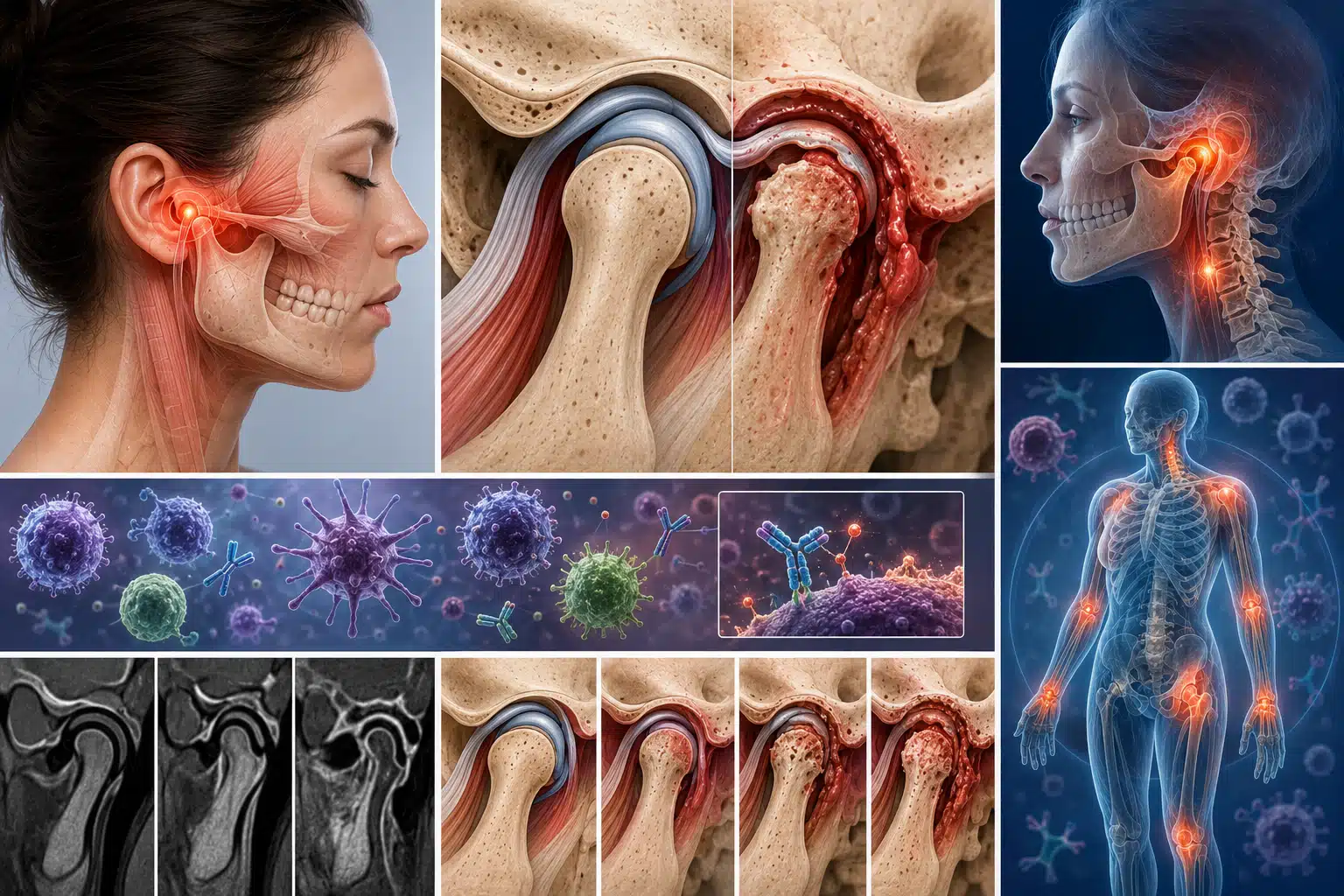
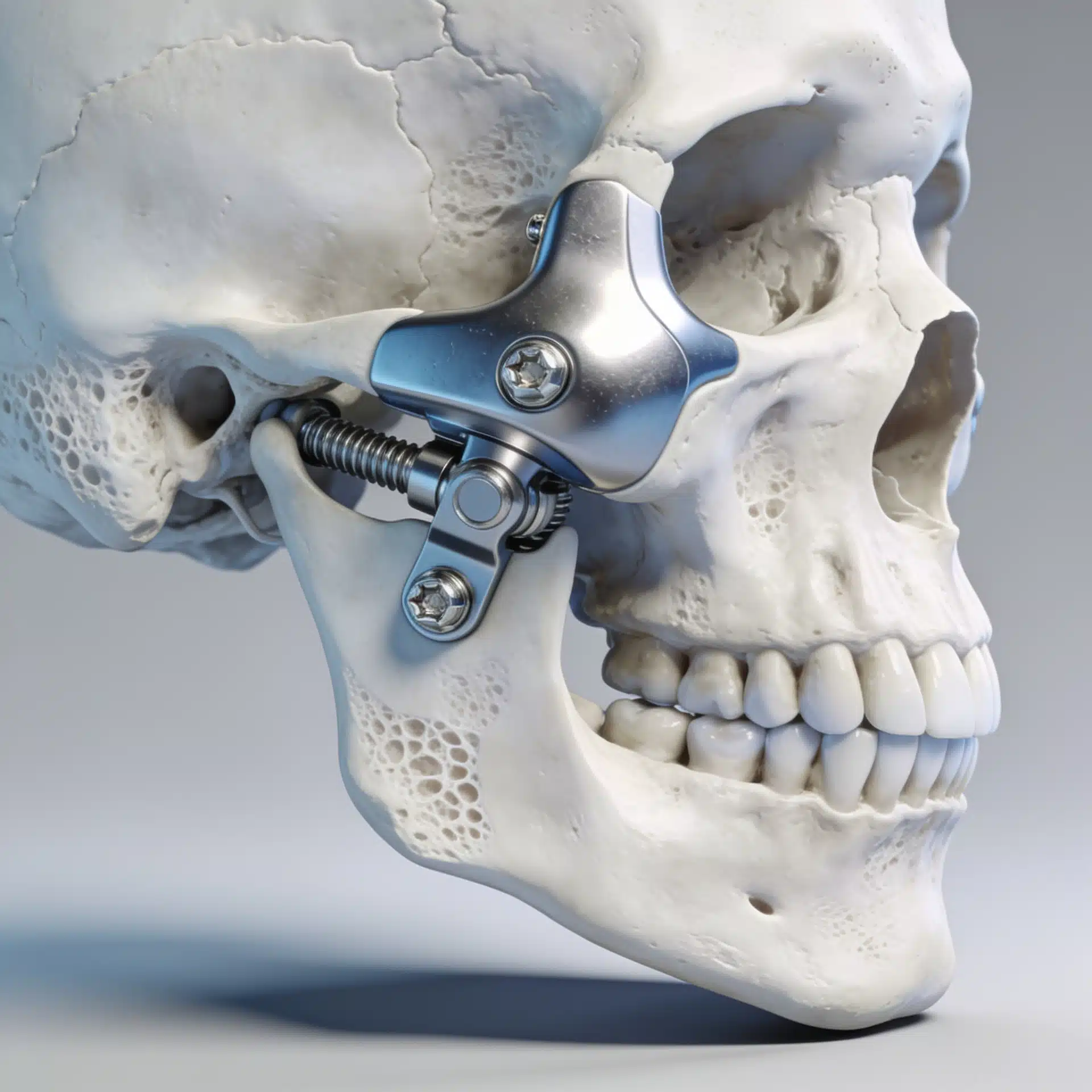
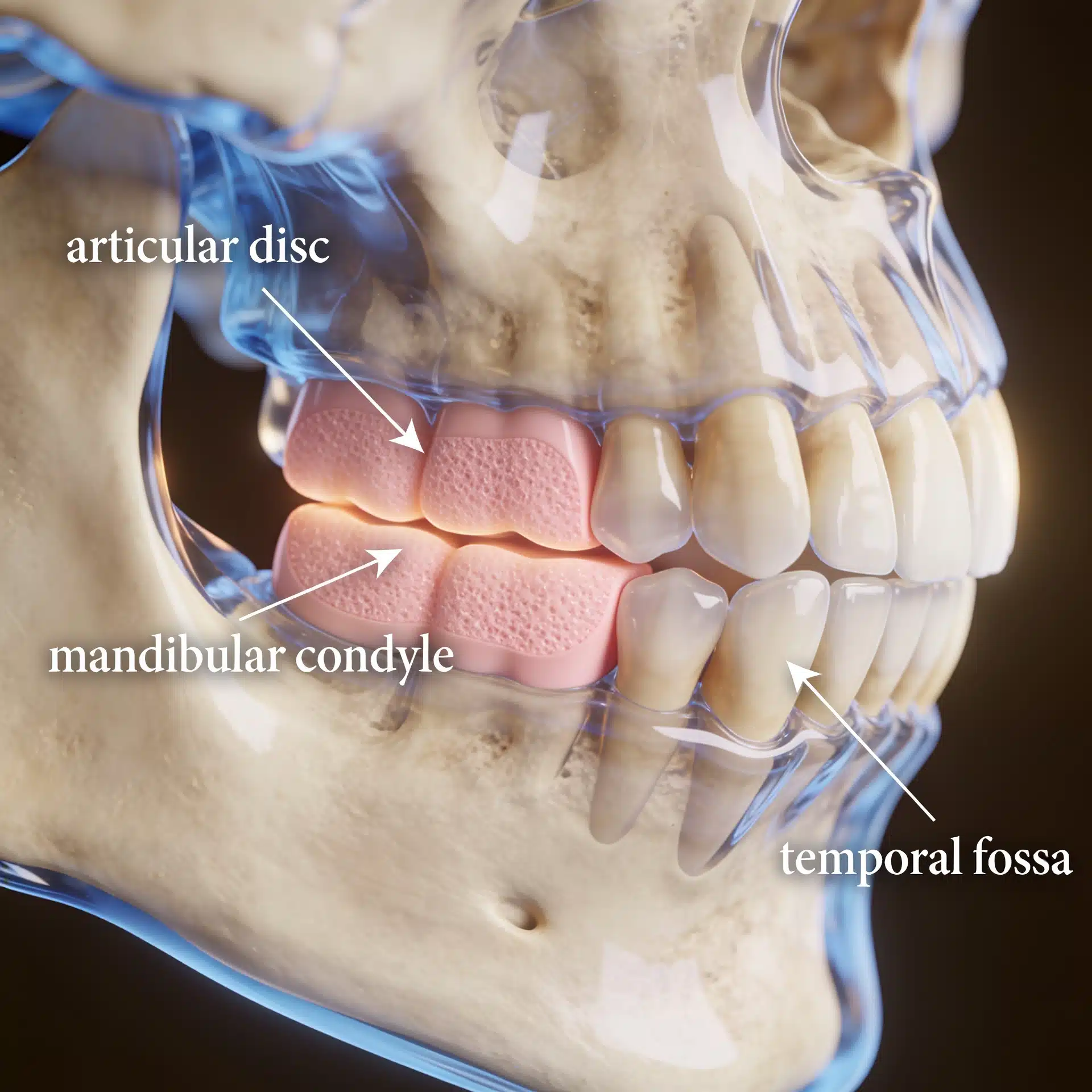
Approximately 65% of his practice consists of patients referred from across the United States and internationally—many of whom have had unsuccessful surgeries elsewhere and require complex revision procedures. Dr. Wolford has developed numerous innovative surgical techniques now considered the standard of care in the field, including the Mitek Anchor® technique for repositioning the TMJ articular disc, and has performed more TMJ Concepts® total joint prostheses than any other surgeon in the country.
The following case examples, drawn from Dr. Wolford’s practice, illustrate the revolutionary potential of maxillofacial reconstruction.
Restoring Function After Trauma
One patient, John, had been living with a facial deformity caused by a traumatic injury that left him unable to eat or speak normally. After a extensive evaluation and 3D surgical planning, Dr. Wolford performed a complex reconstruction of the jaw and facial bones—restoring proper alignment and function. Post-operatively, John’s ability to chew and communicate improved dramatically, along with his overall quality of life and self-confidence.
Correcting a Congenital Condition
Emma was born with a rare craniofacial condition causing severe facial asymmetry. Over a series of staged maxillofacial reconstructions, Dr. Wolford’s team progressively restored balance and symmetry to her facial structure. By dealing with the underlying skeletal architecture through a carefully phased surgical plan, Emma experienced not only a physical transformation but an intense improvement in confidence and wellbeing. She has since become an advocate for those confronting comparable challenges.
Transforming Quality of Life Through Jaw Realignment
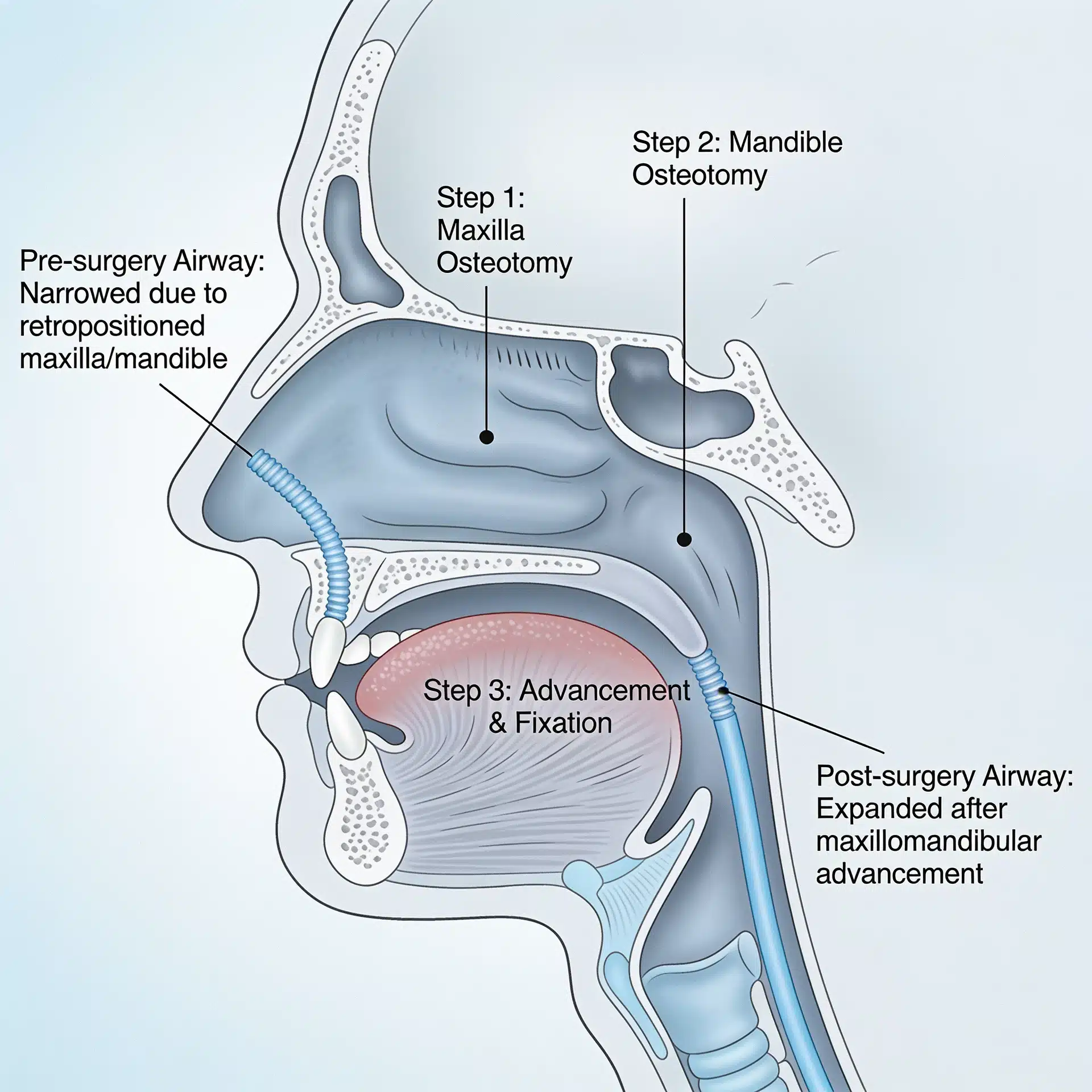
Sarah’s severe jaw misalignment affected both her facial appearance and speech clarity—conditions she had managed for years before seeking definitive treatment. Following a precisely planned orthognathic procedure to reposition her lower jaw, Sarah’s recovery was easy, and the outcome exceeded her expectations. Her speech improved markedly, and her self-confidence underwent what she described as a complete transformation.
These outcomes are consistent with wider evidence in the field. Research published through the JAMA Network emphasizes that cosmetic results should be a prioritized consideration alongside functional goals in facial reconstruction—a philosophy central to Dr. Wolford’s surgical philosophy.
The Full Scope of Recovery: What Patients Should Expect
Recovery from facial reconstruction surgery varies considerably based on the complexity of the procedure. Patients should expect:
- A period of dietary modification: Soft or liquid diets are usually required initially to protect the surgical site and allow bone healing.
- Swelling and bruising: These are normal in the early weeks post-operatively and gradually resolve.
- Follow-up care: Regular appointments are essential for monitoring healing, managing complications, and planning any subsequent refinement procedures.
- Emotional adjustment: The psychological dimensions of recovery are real and should not be minimized. Access to counseling and peer support can be valuable during this period.
The titanium hardware used in rigid fixation is biocompatible and, in most cases, remains in place permanently without causing issues.
The Physical and Mental Impact of Reconstruction
Facial reconstruction is, at its core, about restoring function. Eating, breathing, speaking—these are fundamental to daily life, and their disruption has measurable consequences for health and wellbeing. But the emotional dimension is equally significant. Facial deformity—whether from trauma, a congenital condition, or cancer treatment—can contribute to anxiety, social withdrawal, and diminished self-esteem. Successful reconstruction addresses both dimensions.
The AAFPRS notes that restoring appearance and function through reconstructive surgery can improve self-esteem and confidence. This is not simply cosmetic language—it shows a growing body of evidence showing that physical restoration directly supports psychological recovery and quality of life.
Taking the Next Step Toward Reconstruction
Facial reconstruction surgery represents one of the most technically demanding and personally significant areas of modern surgical practice. The right surgical team makes a substantial effect on outcomes—not just in restoring structure, but in giving patients the confidence to fully re-engage with their lives.
If you or a loved one is facing the need for facial reconstruction—whether due to trauma, a congenital condition, or post-tumor surgery—seeking care from a board-certified, experienced specialist is the most important step you can take. For complex cases requiring revision surgery or specialized expertise, Dr. Larry M. Wolford’s practice at Baylor University Medical Center in Dallas offers world-class evaluation and treatment.
Contact Dr. Wolford’s office today for a free initial telephone consultation: 214.828.9115, or schedule an appointment online.