The structure of our face is defined by the bones beneath, and the jaws play a leading role in creating facial harmony. When the upper and lower jaws are misaligned, the impact goes far beyond just a crooked smile. It can affect how we eat, speak, breathe, and even how we feel about our appearance. For many, this imbalance creates a sense of self-consciousness, as the facial profile may appear weak, asymmetric, or disproportionate.
While many people think of surgery as a purely medical necessity, orthognathic surgery—also known as corrective jaw surgery—occupies a unique space where function and aesthetics meet. This transformative procedure realigns the jawbones, simultaneously restoring proper oral function and creating a more balanced, harmonious facial appearance. Expert surgeons like Dr. Larry Wolford understand that a successful outcome is one where the patient not only breathes and chews better but also feels a renewed sense of confidence in their appearance.
How Jaw Alignment Affects Facial Aesthetics
The position of the jaws provides the foundational support for the lower two-thirds of the face. When they are out of sync, it can lead to several noticeable aesthetic concerns. Orthognathic surgery corrects these underlying skeletal issues, which in turn enhances the overlying soft tissues.
Common aesthetic issues addressed by corrective jaw surgery include:
- Recessed Chin or “Weak” Jawline: When the lower jaw (mandible) is underdeveloped or set too far back, it can create the appearance of a weak chin and an undefined jawline. Advancing the mandible forward provides better support for the lower face and creates a stronger profile.
- Protruding Lower Jaw (Underbite): An overdeveloped or forward-positioned lower jaw can result in a prominent chin and a concave mid-face profile. Repositioning the jaw corrects this imbalance, softening the facial contours.
- “Gummy” Smile: An excessive display of gum tissue when smiling is often caused by vertical maxillary excess, where the upper jaw has grown too long. Surgery can reposition the upper jaw vertically to create a more natural and balanced smile.
- Facial Asymmetry: When one side of the jaw grows differently from the other, it can lead to a crooked or lopsided appearance. Orthognathic surgery can center the jaws and restore facial symmetry.
- Sunken Mid-Face: An underdeveloped upper jaw can make the middle part of the face appear flat or recessed, which can also make the nose look more prominent. Advancing the upper jaw provides better support for the cheeks and nose, creating a more balanced look.
More Than Just a Pretty Face: The Functional Benefits
While the aesthetic improvements are often dramatic, the primary goal of orthognathic surgery is to restore proper function. The benefits of a well-aligned jaw extend to many aspects of daily life, improving overall health and well-being. A successful procedure is one where the patient not only looks better but feels better, too.
Key functional improvements include:
- Improved Chewing and Biting: Correcting the bite allows patients to chew food properly, which can improve digestion and allow them to enjoy a wider variety of foods.
- Enhanced Speech: Misaligned jaws can interfere with tongue and lip posture, causing lisps or difficulty articulating certain sounds. Realignment can lead to clearer speech.
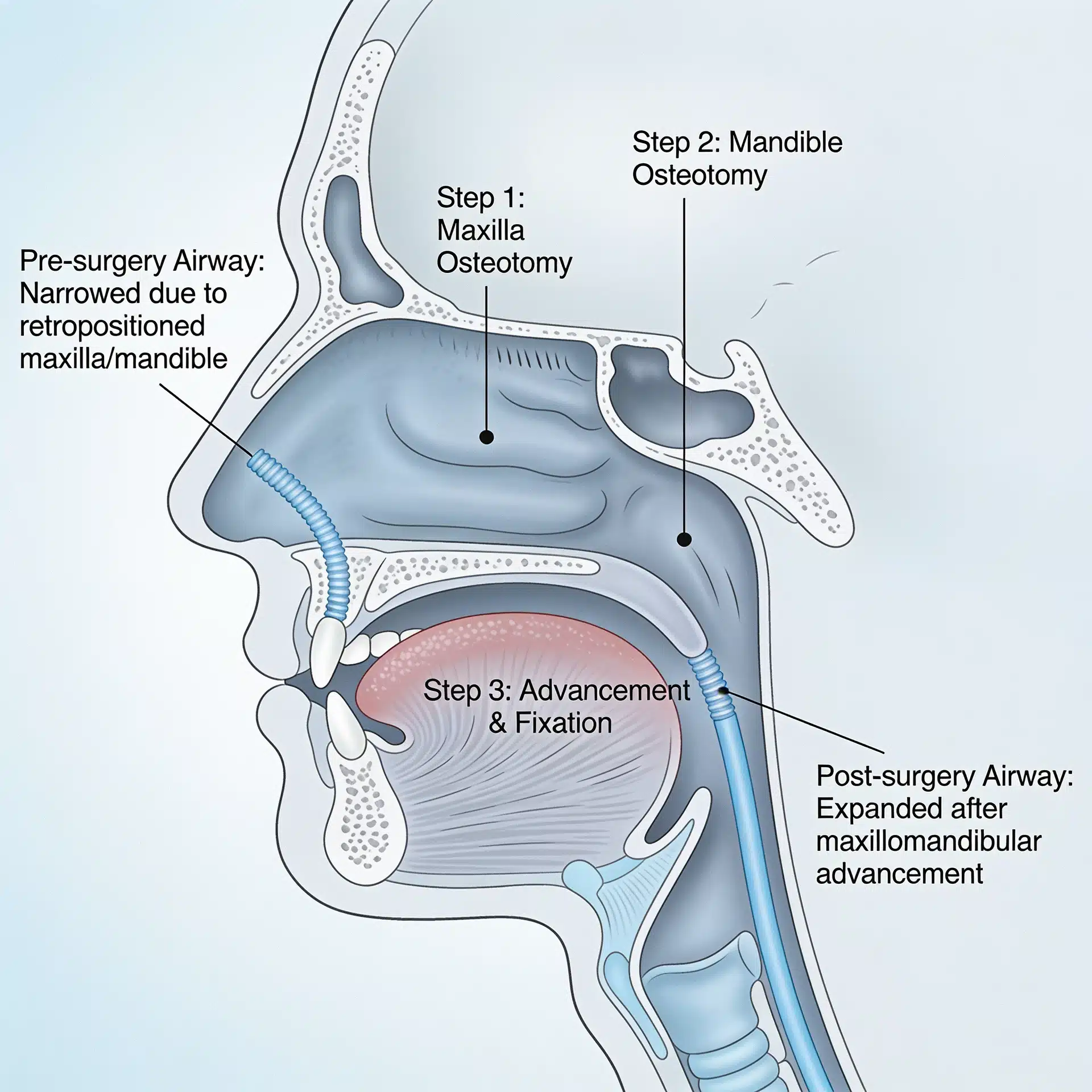
- Resolution of Sleep Apnea: Advancing the jaws forward physically enlarges the airway, providing a permanent cure for many patients suffering from obstructive sleep apnea.
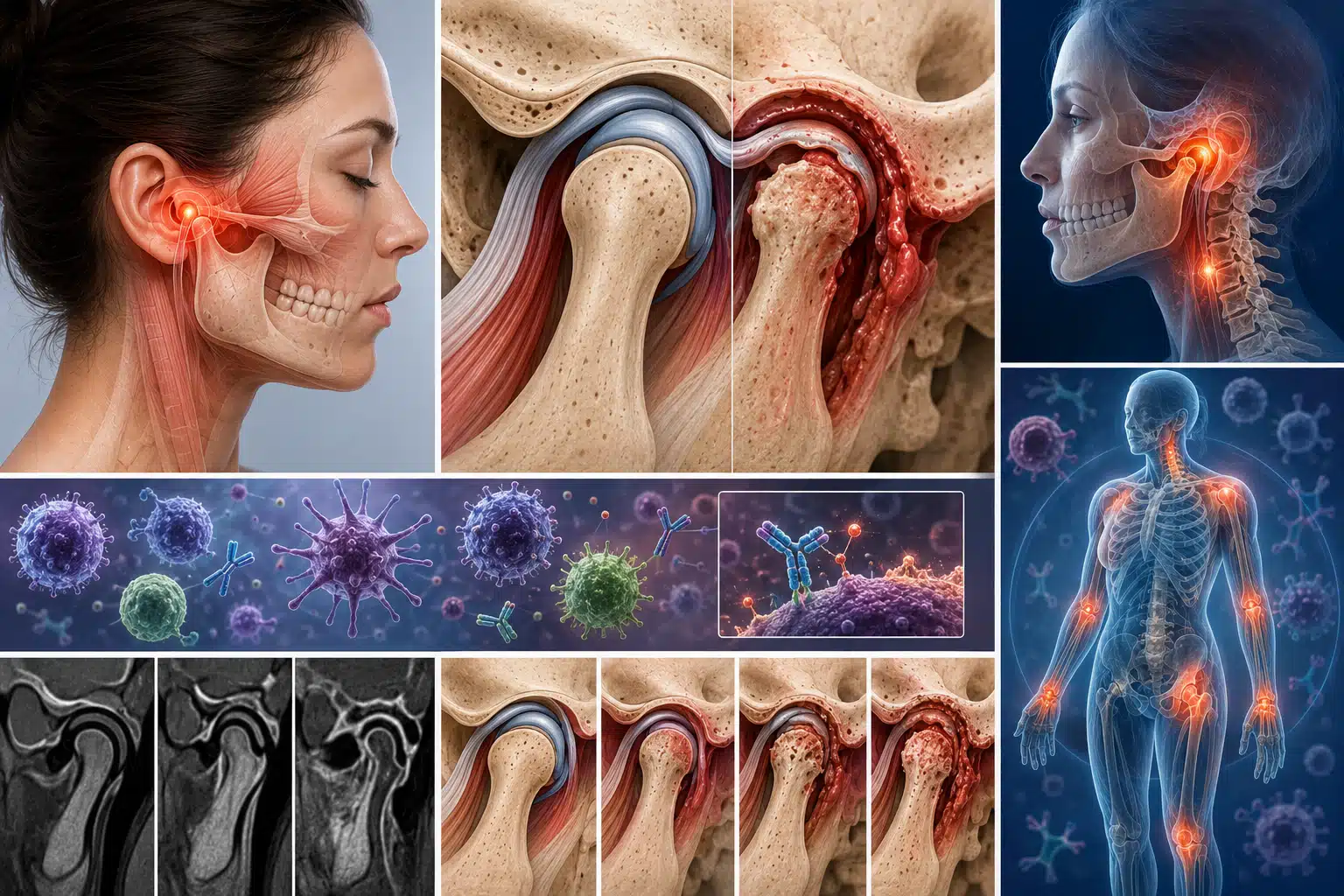
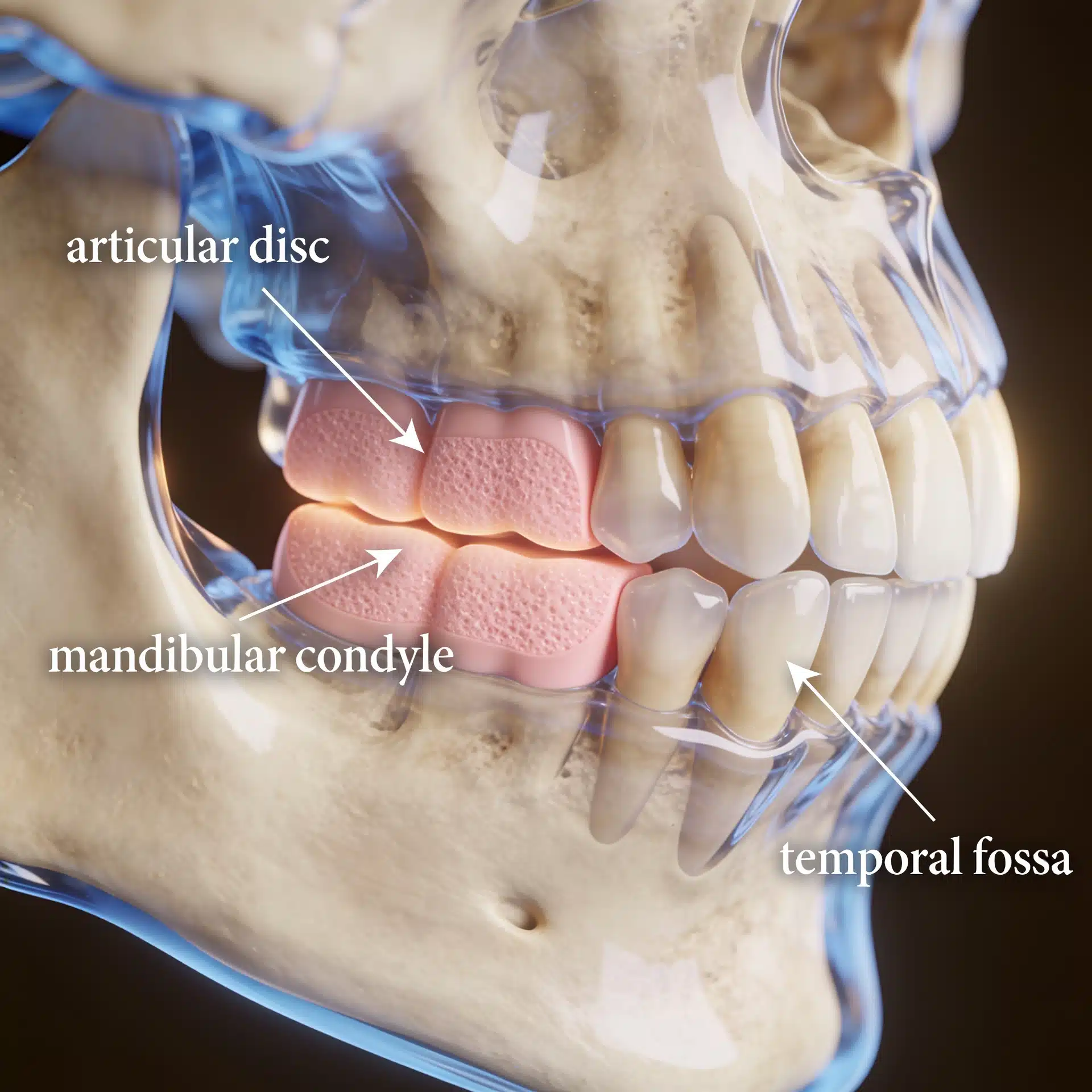
- Alleviation of TMJ Pain: By creating a more stable and balanced bite, surgery can reduce chronic strain on the temporomandibular joints (TMJ), relieving jaw pain, headaches, and muscle fatigue.
- Prevention of Abnormal Tooth Wear: A misaligned bite can cause teeth to grind against each other unnaturally, leading to premature wear, chipping, and fractures. A proper bite distributes forces evenly, protecting the longevity of the teeth.
The Surgical Process: A Journey to Balance
Orthognathic surgery is a meticulously planned process that involves close collaboration between an oral and maxillofacial surgeon and an orthodontist. The journey is designed to deliver stable, predictable, and lasting results.
Here is an overview of what patients can expect:
- Step 1: Consultation and Surgical Planning: The process starts with a comprehensive evaluation, including X-rays and 3D CT scans. This allows Dr. Larry Wolford to create a virtual surgical plan, simulating the exact movements of the jawbones to achieve the desired functional and aesthetic outcome.
- Step 2: Pre-Surgical Orthodontics: Most patients will wear braces for 12 to 18 months before surgery. The purpose is to straighten the teeth within each jaw so they will fit together perfectly after the bones are repositioned.
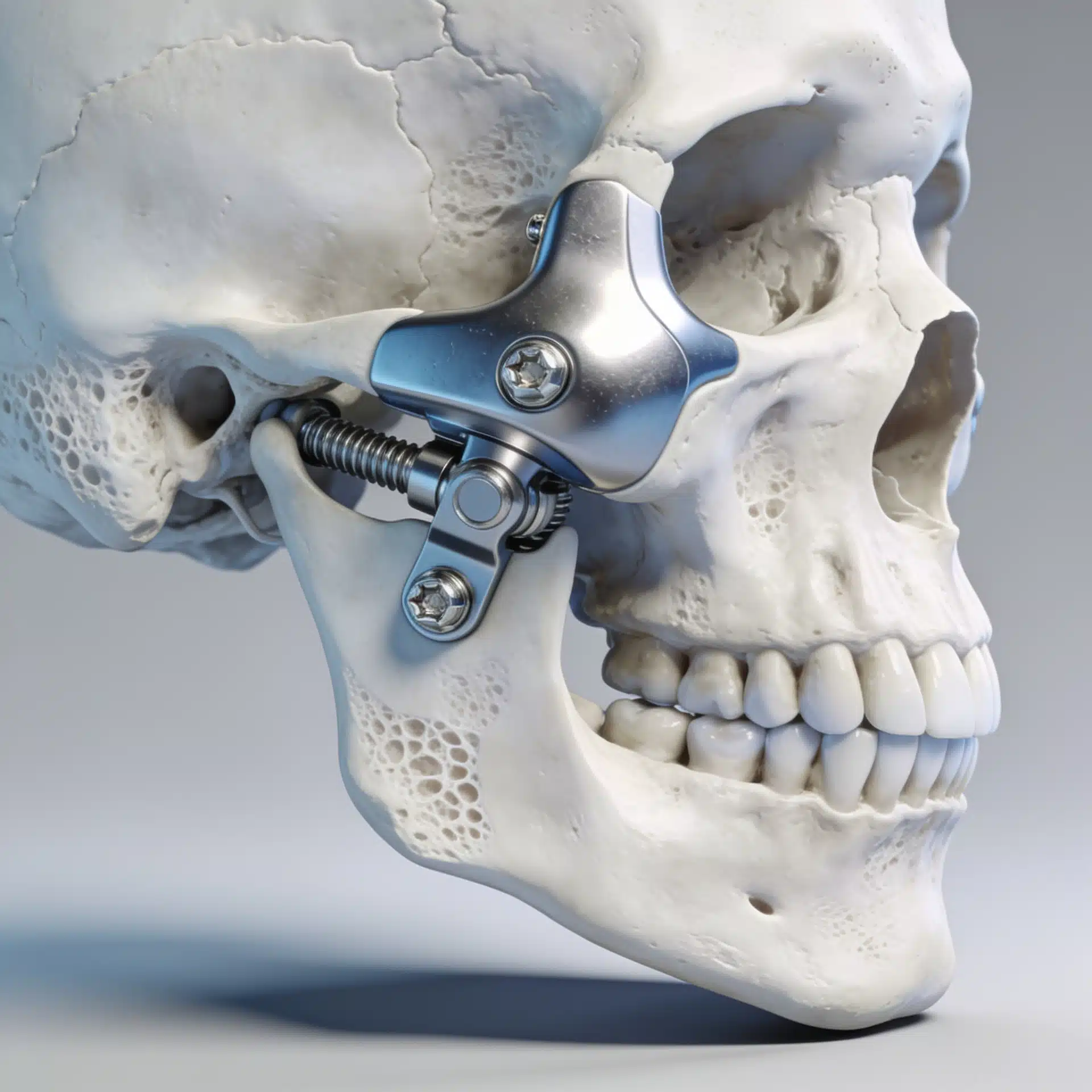
- Step 3: The Surgical Procedure: Performed under general anesthesia, the surgeon makes incisions inside the mouth to access the jawbones, leaving no external scars. The jaws are then carefully moved into their new, planned position and secured with small titanium plates and screws.
- Step 4: The Recovery Phase: The initial healing period lasts about six weeks, during which patients follow a liquid and soft food diet. Swelling is most prominent in the first week and gradually subsides. Most people can return to school or non-strenuous work within 2-4 weeks.
- Step 5: Post-Surgical Orthodontics: After the jaw has healed, the orthodontist will make final adjustments with braces for a few months to “fine-tune” the bite and perfect the smile.
Case Study: Anna’s Transformation of Function and Confidence
Anna, a 24-year-old recent graduate, had lived her whole life with a severely recessed lower jaw and an overbite. She was self-conscious about her weak chin and found it difficult to bite into simple foods like an apple or a sandwich. She also experienced chronic jaw muscle fatigue. Her orthodontist explained that braces alone could not fix the underlying skeletal problem.
Anna was referred to Dr. Larry Wolford for a surgical consultation. Using 3D modeling, Dr. Wolford showed her how advancing her lower jaw would not only fix her bite but also dramatically improve her facial profile. The planned procedure was a mandibular advancement.
Following a course of pre-surgical orthodontics, Anna underwent the surgery. The results were life-changing. Functionally, she could finally chew normally without strain. Aesthetically, the change was profound. Advancing her jaw created the strong, defined jawline she had always wanted, bringing her entire face into harmony. Anna felt that for the first time, her outward appearance matched her inner confidence. Her story is a testament to how orthognathic surgery can powerfully impact both physical function and self-perception.
Achieve Harmony in Form and Function
You do not have to choose between a functional bite and a balanced facial appearance. Orthognathic surgery is a proven procedure that addresses both, correcting the foundational issues that impact your health and self-esteem. By realigning the jaws, this surgery paves the way for a lifetime of confident smiles and comfortable function.
If you feel that your facial balance and oral function are compromised by jaw misalignment, a surgical consultation may be the right next step. To learn more about this life-changing procedure, read about How Orthognathic Surgery Can Improve Facial Aesthetics and Function.
Helpful Resources
- American Association of Oral and Maxillofacial Surgeons (AAOMS): Provides patient information on corrective jaw surgery.
- American Association of Orthodontists (AAO): Offers resources on the combined orthodontic and surgical treatment process.