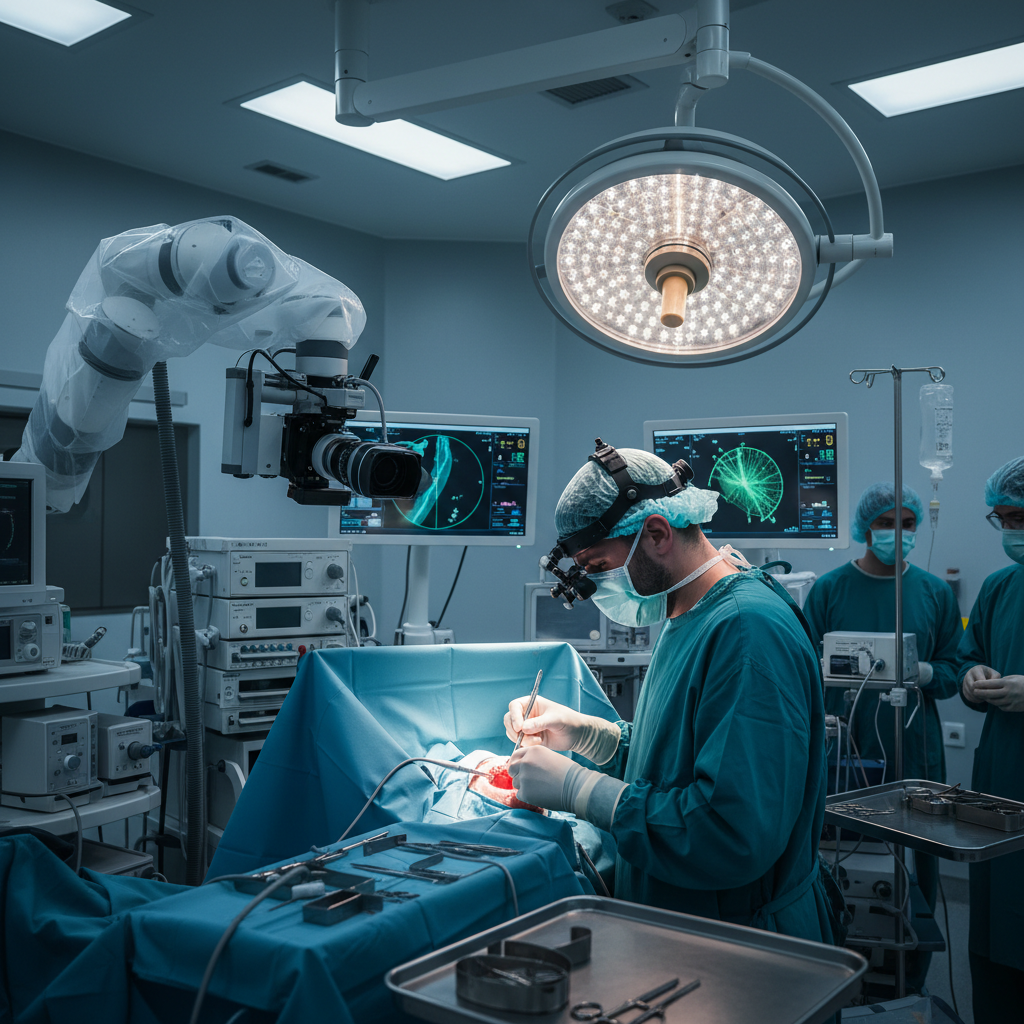
Jaw misalignment affects far more than appearance. For many patients, the effects extend to everyday functions—chewing, speaking, breathing, and sleeping. When orthodontic treatment alone cannot correct the underlying skeletal imbalance, orthognathic surgery offers a clinically proven path to lasting resolution. For more information about the basics and benefits of corrective jaw surgery, see the American Association of Oral and Maxillofacial Surgeons (AAOMS) and Mayo Clinic’s overview on jaw surgery.
This guide covers what orthognathic surgery is, who needs it, and what the treatment process involves—from initial evaluation to full recovery.
What Is Orthognathic Surgery?
Orthognathic surgery, commonly referred to as corrective jaw surgery, is a specialized surgical procedure that repositions the upper jaw (maxilla), lower jaw (mandible), or both to correct structural imbalances. The term “orthognathic” derives from the Greek words for “straight” and “jaw”—a fitting description of what the surgery aims to achieve. For further reading about the procedures and outcomes, see Cleveland Clinic: Jaw Surgery Overview and MedlinePlus: Orthognathic Surgery.
Unlike cosmetic procedures focused primarily on aesthetics, orthognathic surgery addresses functional impairments rooted in skeletal discrepancies. It is performed by an oral and maxillofacial surgeon, typically in collaboration with an orthodontist, to ensure that the teeth, jaws, and facial structures align correctly following the procedure.
Who Needs Corrective Jaw Surgery?
Not every case of jaw misalignment requires surgical intervention. However, when the skeletal discrepancy is too significant to be resolved through orthodontics alone, orthognathic surgery becomes the appropriate course of treatment. For detailed indications and case studies, see Johns Hopkins Medicine: Jaw Surgery and Columbia University Irving Medical Center: Jaw Surgery Indications.
Common conditions that may indicate a need for corrective jaw surgery include:
- Severe underbite or overbite: Where the upper and lower jaws do not meet properly during biting or chewing
- Open bite: A gap between the upper and lower front teeth even when the mouth is closed
- Crossbite: When some upper teeth sit inside the lower teeth rather than outside
- Jaw asymmetry: A visibly uneven or offset jaw structure that affects both function and appearance
- Obstructive sleep apnea: Cases where the jaw position contributes to airway obstruction during sleep
- TMJ disorders: Chronic temporomandibular joint pain or dysfunction linked to skeletal imbalance
- Facial trauma or congenital conditions: Including cleft palate, hemifacial microsomia, or injuries that altered jaw development
A thorough clinical evaluation—including imaging, dental casts, and a review of symptoms—is required to determine whether surgery is the appropriate treatment option.
The Role of Orthodontics in Surgical Treatment
Orthognathic surgery rarely stands alone. In the majority of cases, patients undergo a period of pre-surgical orthodontic treatment to align the teeth within each jaw before the surgical repositioning occurs. This phase typically lasts between 12 and 18 months and ensures that once the jaws are repositioned, the upper and lower teeth fit together correctly. For more on the orthodontic-surgical partnership, see American Association of Orthodontists: Corrective Jaw Surgery (Orthognathic Surgery) and Colgate: Orthodontics and Oral Surgery.
Following surgery, orthodontic treatment continues for several months to finalize bite alignment and complete the overall correction. The surgical and orthodontic teams work in close coordination throughout this process.
Types of Orthognathic Surgical Procedures
The specific procedure recommended depends on the nature and severity of the jaw discrepancy. The three primary categories are (for more detailed descriptions, see UCLA Health: Types of Jaw Surgery and Stanford Health Care: Corrective Jaw Surgery Overview):
Maxillary Osteotomy (Upper Jaw Surgery)
In a maxillary osteotomy, the surgeon makes precise cuts in the upper jaw to allow it to be moved forward, backward, upward, or downward. This procedure is commonly indicated for open bites, certain crossbites, and conditions affecting the midface region.
Mandibular Osteotomy (Lower Jaw Surgery)
A mandibular osteotomy involves repositioning the lower jaw. The most frequently performed technique is the bilateral sagittal split osteotomy (BSSO), which allows the lower jaw to be advanced forward or set back. This is one of the most well-documented procedures in maxillofacial surgery.
Bimaxillary Surgery (Double Jaw Surgery)
When both jaws require repositioning, a bimaxillary procedure addresses the upper and lower jaws simultaneously. This approach offers greater flexibility in achieving skeletal balance and is often recommended in complex cases involving significant discrepancies in multiple planes.
Genioplasty
A genioplasty—surgical repositioning of the chin—may be performed alongside jaw surgery to refine facial symmetry and complement the overall correction. While sometimes considered cosmetic, genioplasty can also serve functional purposes in certain clinical presentations.
What to Expect: The Surgical Process
Pre-Surgical Planning
Modern orthognathic surgery relies on advanced imaging technology, including 3D CT scans and digital surgical planning software, to map out the precise movements required before the procedure begins. This level of planning reduces intraoperative uncertainty and supports more predictable outcomes.
The Surgery Itself
Orthognathic surgery is performed under general anesthesia and typically takes between two and five hours, depending on the complexity of the case. Incisions are made inside the mouth, which means there are no visible external scars. Titanium plates and screws are used to secure the repositioned bones in place, and in most cases, these remain permanently.
Hospital Stay and Early Recovery
Most patients remain in hospital for one to two days following surgery. Swelling and discomfort are expected during the initial recovery period and are managed with prescribed medication. A liquid or soft diet is required during the early weeks as the jaw heals.
Full Recovery Timeline
Complete bone healing typically occurs within six to twelve weeks. However, full resolution of swelling and the final stabilization of bite alignment can take up to 12 months. Regular follow-up appointments with both the surgeon and orthodontist are essential throughout this period.
Risks and Considerations
As with any surgical procedure, orthognathic surgery carries inherent risks. These may include temporary or, in rare cases, prolonged numbness due to nerve proximity, the possibility of relapse requiring revision, infection, and the standard risks associated with general anesthesia. For more on potential risks and complications, refer to American Society of Maxillofacial Surgeons: Orthognathic Surgery Complications and MedlinePlus: Risks of Orthognathic Surgery.
Revision surgery is occasionally required when initial results fall short of the planned correction, or when unforeseen complications arise. In these situations, the expertise and surgical experience of the treating surgeon become particularly critical factors in achieving a successful outcome. Surgeons who have completed a high volume of both primary and revision orthognathic procedures are best positioned to manage complex cases.
The Importance of Choosing the Right Surgeon
Orthognathic surgery is a highly specialized field. Outcomes are strongly influenced by the surgeon’s level of experience, their familiarity with complex anatomical relationships, and the quality of their pre-surgical planning. For additional guidance on selecting a surgeon, you may find The British Association of Oral and Maxillofacial Surgeons: Choosing Your Surgeon and AAOMS: Questions to Ask Your Surgeon helpful.
When evaluating a maxillofacial surgeon, patients should consider:
- Board certification and formal training in oral and maxillofacial surgery
- Volume of procedures performed, including revision cases
- Access to advanced imaging and digital planning tools
- Collaboration with a qualified orthodontic team
- Published research or contributions to the field, which often indicate a deeper level of clinical expertise
Patients with complex presentations—including those who have undergone previous jaw surgery—should seek surgeons with specific experience in revision orthognathic procedures, as these cases demand a refined surgical skill set.
Take the Next Step Toward Correct Jaw Alignment
Orthognathic surgery can resolve functional limitations that have persisted for years, often producing improvements in breathing, chewing, speech, and overall quality of life (AAOMS: Benefits of Corrective Jaw Surgery, Mayo Clinic: Why It’s Done). The decision to pursue surgery is a significant one and deserves careful consideration with a qualified specialist (MedlinePlus: Before the Procedure, Columbia University Irving Medical Center: Patient Education).
If you are experiencing symptoms related to jaw misalignment or have been told that orthodontics alone cannot address your condition, a consultation with a board-certified oral and maxillofacial surgeon is the appropriate first step. An experienced specialist can evaluate your specific anatomy, review your treatment history, and outline the most appropriate course of action for your case.