You might have heard the term “oral surgery” before, perhaps when you had wisdom teeth removed. But when medical needs go beyond routine dental care and involve complex structures of the face, jaw, and neck, you enter the specialized field of oral and maxillofacial surgery (OMS).
This surgical specialty bridges the gap between dentistry and medicine. It requires years of additional hospital-based surgical and anesthesia training after graduation from dental school. For patients suffering from chronic pain, deformity, or trauma, understanding what maxillofacial surgery offers is the first step toward recovery.
This guide explores the definition, scope, and transformative power of this surgical field, highlighting the world-renowned expertise available at Dr. Larry Wolford’s practice.
Defining Maxillofacial Surgery
The word “maxillofacial” combines two terms: “maxilla,” which refers to the upper jaw, and “facial,” pertaining to the face. Consequently, maxillofacial surgery is the surgical specialty focused on diagnosing and treating diseases, injuries, and defects involving the functional and aesthetic aspects of the hard and soft tissues of the oral and maxillofacial region.
While a general dentist cares for your teeth and gums, a maxillofacial surgeon is the expert you see for:
- Reconstructive surgery of the face
- Facial trauma surgery
- The oral cavity (mouth)
- The head and neck
- The jaw
Because of the intricate nature of the facial nerves and blood vessels, this type of surgery demands a high level of precision and expertise.
The Scope of Treatment: More Than Just Surgery
Maxillofacial surgeons do not just operate; they manage patients’ overall health regarding their facial structures. The scope of practice is vast, ranging from minor procedures to extremely complex major surgeries.
1. Corrective Jaw Surgery (Orthognathic Surgery)
One of the most common reasons patients seek a specialist like Dr. Wolford is for orthognathic surgery. This procedure corrects a wide range of minor and major skeletal and dental irregularities, including the misalignment of jaws and teeth. Surgery can improve chewing, speaking, and breathing. While the patient’s appearance may be dramatically enhanced as a result of their surgery, orthognathic surgery is performed primarily to correct functional problems.
2. TMJ Disorders
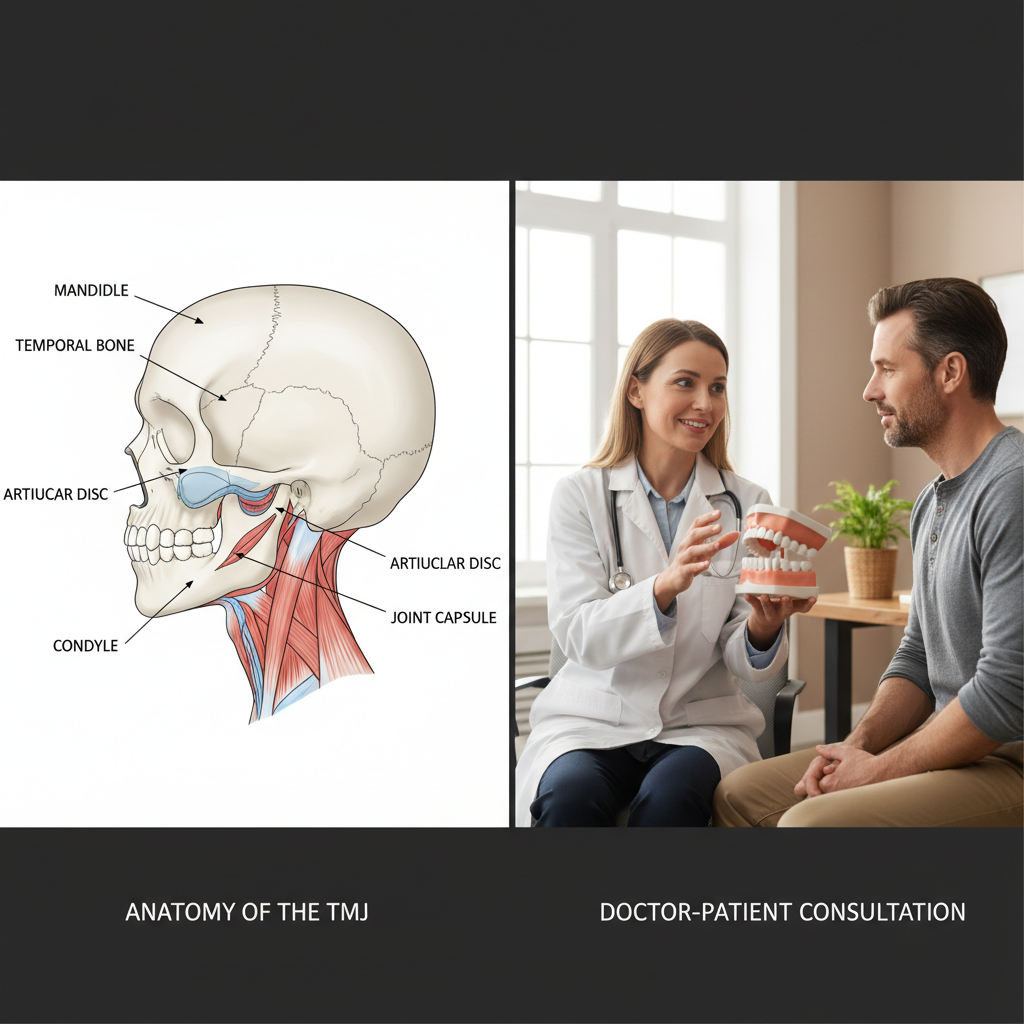
The temporomandibular joint (TMJ) acts like a sliding hinge connecting your jawbone to your skull. TMJ disorders can cause pain in your jaw joint and in the muscles that control jaw movement. When non-surgical treatments fail, maxillofacial surgery can provide relief. This might involve arthroscopy or, in severe cases, total joint replacement.
According to the American Association of Oral and Maxillofacial Surgeons (AAOMS), accurate diagnosis is critical because TMJ issues often mimic other conditions.
3. Facial Trauma and Reconstruction
Maxillofacial surgeons are experts in treating facial trauma. This includes fractures of the upper and lower jaws and orbits (eye sockets), as well as facial lacerations. The goal is always to restore function while minimizing aesthetic impact. Long-term reconstruction might be necessary after severe trauma or tumor removal, often involving bone grafting.
4. Cleft Lip and Palate
This congenital condition requires a multidisciplinary approach. Maxillofacial surgeons play a pivotal role in the staged reconstruction of the cleft lip and palate, often performing surgeries over several years as the child grows to ensure proper breathing, speech, and facial development.
5. Obstructive Sleep Apnea (OSA)
When sleep apnea is caused by a narrow airway due to jaw position, maxillofacial surgery can be a cure. By advancing the upper and lower jaws (Maxillomandibular Advancement), surgeons can permanently open the airway, allowing patients to breathe freely without dependence on CPAP machines.
Why Expertise Matters: The Dr. Larry Wolford Difference
When dealing with the face—the most visible part of your identity—the skill of your surgeon is paramount. Dr. Larry Wolford is not just a practitioner; he is a pioneer in the field of oral and maxillofacial surgery.
Known internationally for his contributions to the specialty, Dr. Wolford has developed specific techniques that have become the gold standard in treating complex jaw and TMJ pathologies. His approach often involves the “surgery-first” concept or concomitant TMJ and orthognathic surgery, reducing treatment time and improving outcomes.
Dr. Wolford’s expertise is particularly vital for revision cases—patients who have undergone unsuccessful surgeries elsewhere. His deep understanding of biomechanics and anatomy allows him to salvage complex cases and restore quality of life to patients who thought they were out of options.
The Importance of Integrated Care
Maxillofacial surgery rarely happens in a vacuum. It usually involves collaboration with other specialists. For example, correcting a misaligned jaw almost always requires close coordination with an orthodontist to ensure the teeth fit together perfectly once the bones are moved.
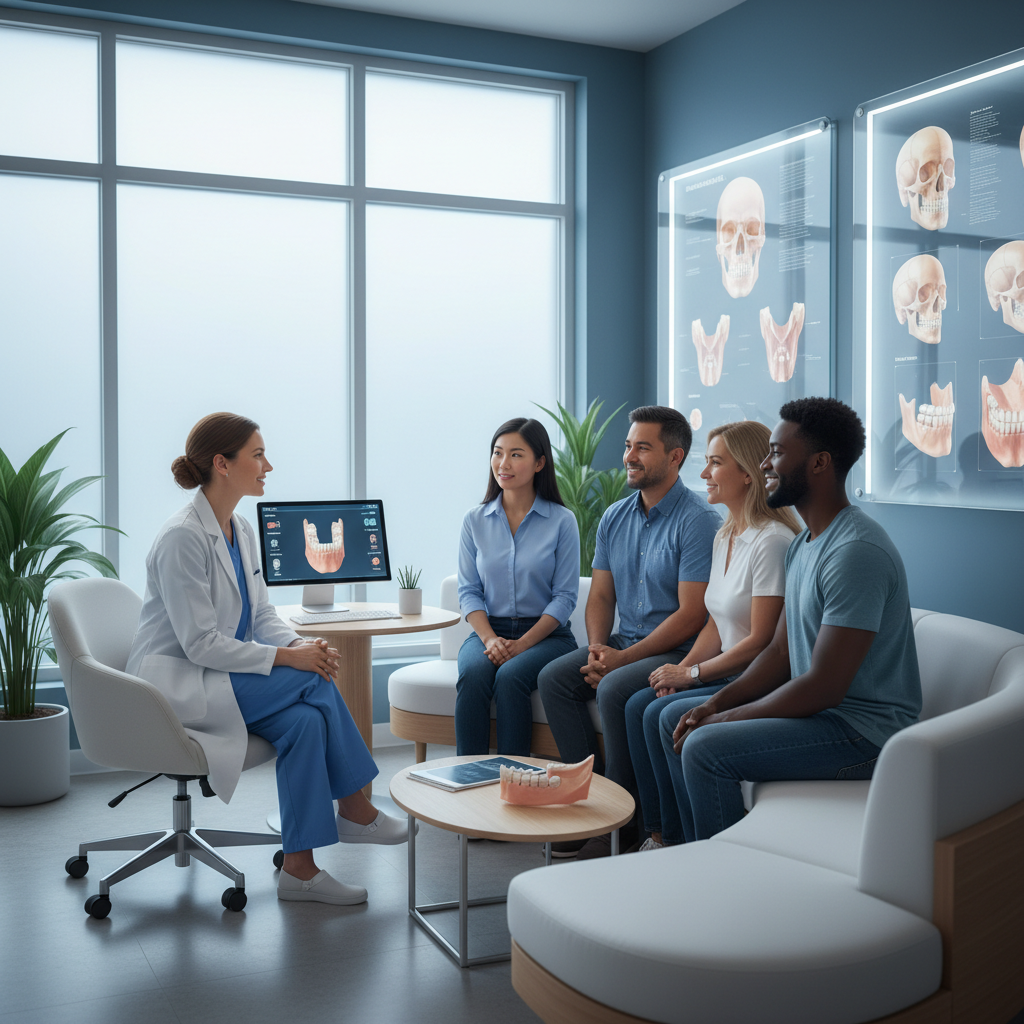
Dr. Wolford’s practice emphasizes this integrated care model. From the initial consultation, 3D imaging and virtual surgical planning are utilized to predict outcomes with high accuracy. This technology allows the surgical team to visualize the movement of bones and the resulting facial aesthetics before the patient ever enters the operating room.
For further reading on the intersection of dentistry and medicine, the Journal of Oral and Maxillofacial Surgery offers in-depth peer-reviewed research.
Taking the Next Step
Maxillofacial surgery is about more than fixing bones; it is about restoring the basic functions of life—eating, speaking, breathing—and the confidence to smile. Whether you are suffering from chronic jaw pain, sleep apnea, or a congenital defect, understanding your options is powerful.
If you are experiencing symptoms or have been advised that you need facial reconstruction or jaw surgery, do not settle for uncertainty.
Contact Dr. Larry Wolford’s office today to schedule a comprehensive consultation. Let us help you navigate your path to optimal health and function with the world-class care you deserve.