Jaw pain can be more than just a minor annoyance; for many, it’s a chronic condition that disrupts daily life. Activities we often take for granted, like chewing, talking, or even yawning, can become difficult and painful. This discomfort is frequently linked to temporomandibular joint (TMJ) disorders, a group of conditions affecting the jaw joint and the muscles that control jaw movement. Understanding the complexities of these disorders is the first step toward finding lasting relief.
This article will explore the common symptoms and underlying causes of TMJ disorders. We will also discuss the range of available treatment options, from conservative therapies to advanced surgical solutions offered by specialists like Dr. Larry Wolford. By gaining a clear understanding of your condition, you can make informed decisions and find the right path to a pain-free life.
What Are TMJ Disorders?
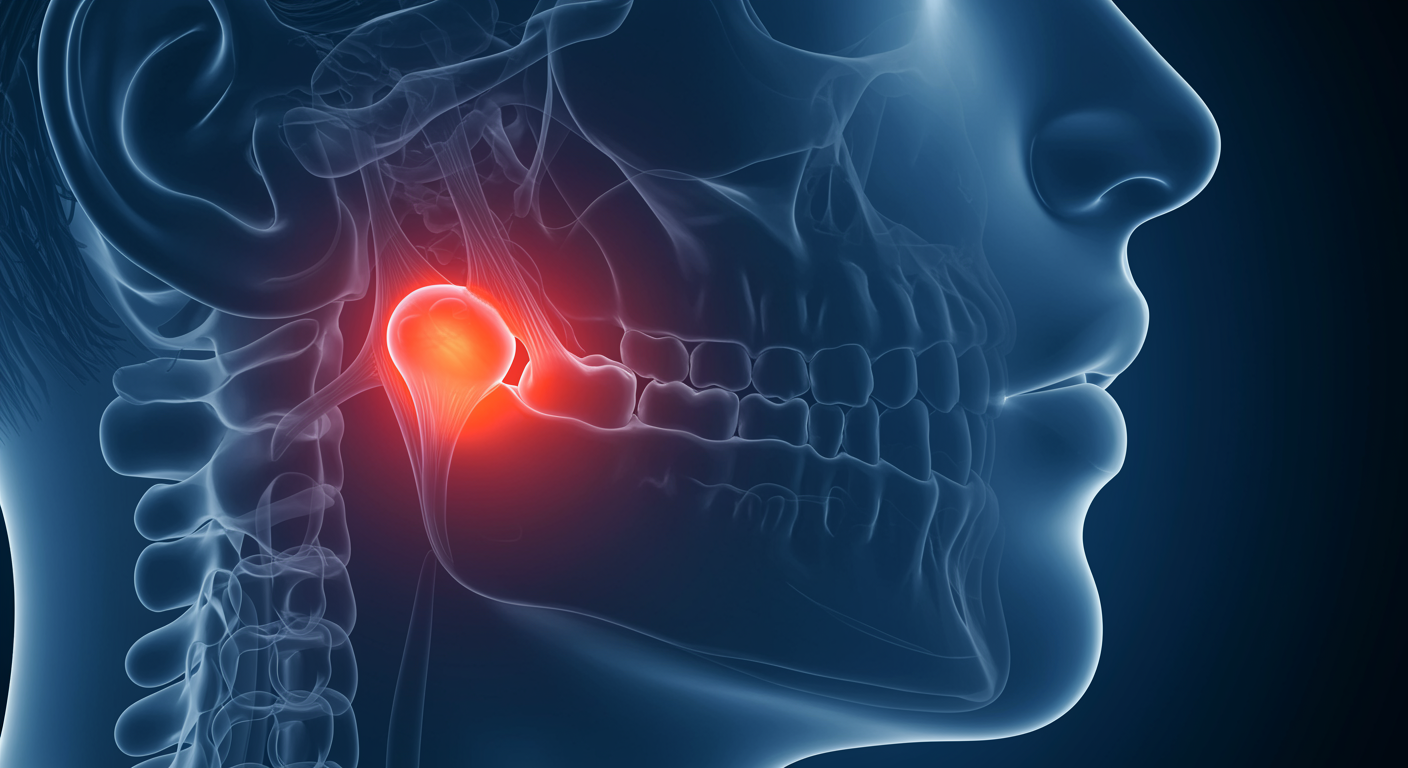
The temporomandibular joint acts like a sliding hinge, connecting your jawbone to your skull on each side of your face. It allows you to move your jaw up and down and side to side, enabling you to talk, chew, and yawn. TMJ disorders occur when this intricate system of muscles, ligaments, discs, and bones isn’t working correctly. This can lead to significant pain and discomfort, affecting one or both sides of your face.
Common Symptoms of TMJ Disorders
The signs and symptoms of TMJ disorders can vary widely from person to person. While some may experience mild, temporary discomfort, others face severe, long-term pain. If you are concerned about jaw pain, look for these common indicators:
- Pain or tenderness in your jaw, face, neck, or shoulders.
- A clicking, popping, or grating sound in the jaw joint when you open or close your mouth.
- Difficulty chewing or a sudden uncomfortable bite, as if the upper and lower teeth are not fitting together properly.
- Locking of the jaw, making it difficult to open or close your mouth.
- Headaches, earaches, or a feeling of pressure behind the eyes.
- Swelling on the side of your face.
- Tinnitus, or ringing in the ears.
Because these symptoms can also be related to other health issues, getting an accurate diagnosis from a qualified medical professional is crucial.
What Causes TMJ Pain?
The exact cause of a person’s TMJ disorder can be difficult to determine. Pain may arise from a combination of factors, including genetics, arthritis, or a jaw injury. Some of the most common contributing factors include:
- Bruxism (Teeth Grinding): Chronic grinding or clenching of the teeth puts immense pressure on the temporomandibular joint.
- Arthritis: Both rheumatoid arthritis and osteoarthritis can damage the cartilage in the joint.
- Jaw Injury: A heavy blow or whiplash can dislocate or damage the joint or the disc that cushions its movements.
- Structural Problems: Issues with the alignment of the jaw or teeth can lead to strain on the joint over time.
- Connective Tissue Diseases: Conditions that affect the body’s connective tissues may also impact the TMJ.
- Stress: High levels of stress can lead to muscle tension in the jaw and an increase in clenching or grinding.
Finding the Right Treatment for Your TMJ Disorder
Effective TMJ treatment depends on an accurate diagnosis and a personalized approach. Treatment plans can range from simple self-care practices to complex surgical procedures. A specialist will help determine the best course of action for your specific condition.
Non-Surgical Treatment Options
For many people, TMJ pain can be managed with conservative, non-invasive therapies. These treatments focus on relieving symptoms and improving jaw function without surgery.
- Pain Relievers and Anti-Inflammatories: Over-the-counter medications can help manage mild to moderate jaw pain.
- Moist Heat or Cold Packs: Applying heat or ice to the side of the face can help relax muscles and reduce inflammation.
- Oral Appliances: A splint or night guard can prevent teeth grinding and reposition the jaw to relieve pressure.
- Physical Therapy: Exercises to stretch and strengthen jaw muscles can improve mobility and reduce pain.
- Patient Education: Learning to avoid habits like chewing gum, biting fingernails, or resting your chin on your hand can prevent symptom flare-ups.
Advanced and Surgical Treatment Options
When conservative treatments fail to provide relief, more advanced options may be necessary. Dr. Larry Wolford is a world-renowned expert in surgical solutions for complex TMJ disorders. These procedures are designed to correct structural problems within the joint itself.
- Arthrocentesis: A minimally invasive procedure that involves inserting small needles into the joint to irrigate it and remove inflammatory debris.
- TMJ Arthroscopy: A surgeon uses a small, thin tube (arthroscope) to get a clear view inside the joint, allowing for diagnosis and minor repairs.
- Modified Condylotomy: A surgical procedure on the jawbone, not the joint itself, that can be effective for patients with internal derangement and locking.
- Total Joint Replacement: For patients with severe degeneration or damage, a custom-fitted artificial joint can be implanted to restore function and eliminate pain.
Case Study: A Patient’s Journey to Recovery
Sarah, a 34-year-old marketing professional, had suffered from debilitating jaw pain for nearly a decade. Her symptoms included chronic headaches, a clicking jaw, and periods where her jaw would lock completely. She had tried night guards, physical therapy, and pain medication with little success. Her quality of life was suffering, as simple acts like eating a meal or laughing with friends became sources of anxiety.
After extensive research, Sarah scheduled a consultation with Dr. Larry Wolford. A thorough evaluation, including advanced imaging, revealed severe degenerative changes in both of her temporomandibular joints. Dr. Wolford recommended a bilateral total joint replacement using custom-fitted prosthetic joints.
The surgery was a success. After a carefully managed recovery period, Sarah’s pain was gone. She could eat, talk, and smile without fear of her jaw locking or causing her pain. Her chronic headaches disappeared, and she felt she had her life back. Sarah’s story highlights how a specialized surgical approach can provide a permanent solution for patients with complex TMJ disorders.
Taking the Next Step Toward Relief
Living with jaw pain can be challenging, but effective treatments are available. The key is to seek a diagnosis from a specialist who understands the complexities of the temporomandibular joint. By addressing the root cause of your pain, you can achieve lasting relief and improve your overall quality of life.
If you are struggling with jaw pain, consider exploring more about Understanding TMJ Disorders: Symptoms, Causes, and Treatment Options. A consultation with an expert like Dr. Larry Wolford can provide you with a clear diagnosis and a personalized treatment plan to help you on your path to recovery.
Helpful Resources
- The TMJ Association: A non-profit organization dedicated to providing support and information for patients.
- National Institute of Dental and Craniofacial Research: Offers comprehensive information on TMJ disorders from a trusted health authority.