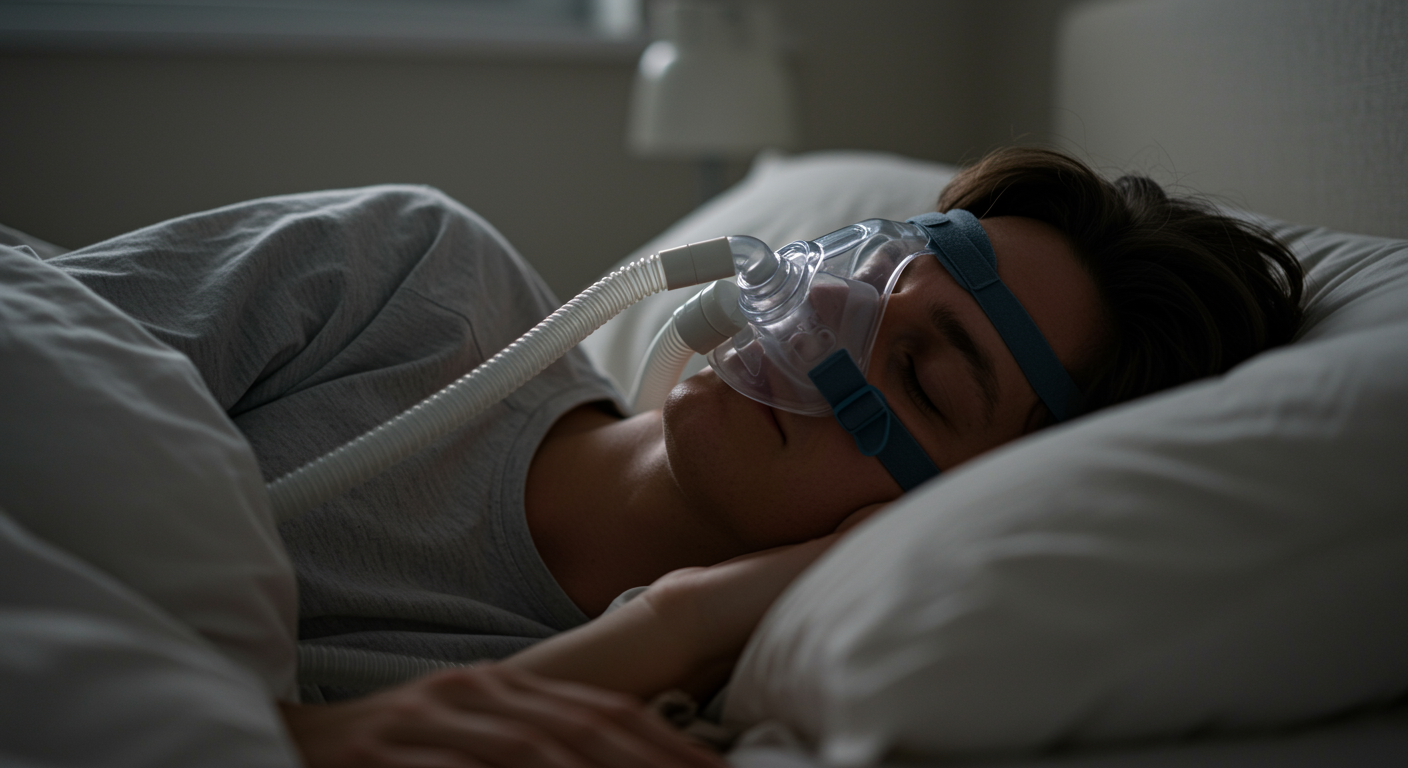
We spend roughly one-third of our lives sleeping, yet for millions of people, sleep is a source of stress rather than restoration. Obstructive Sleep Apnea (OSA) is a serious condition where breathing repeatedly stops and starts during sleep. While loud snoring is the most recognizable symptom, the effects of OSA go far deeper, increasing the risk of high blood pressure, heart disease, and chronic fatigue.
Many patients try Continuous Positive Airway Pressure (CPAP) machines, but some find them uncomfortable or ineffective. When traditional treatments fail, the root cause often lies in the skeletal structure of the face. In these cases, jaw surgery for sleep apnea offers a permanent, life-changing solution. Dr. Larry Wolford, a pioneer in maxillofacial surgery, specializes in correcting these structural issues to open airways and restore healthy breathing.
How Jaw Structure Affects Sleep Apnea
To understand why surgery works, we must look at the anatomy of the airway. The airway is essentially a soft tube supported by the structures of the jaw and neck. When we sleep, the muscles in our throat relax. In a person with normal anatomy, the airway stays open. However, if the jaws are recessed (set too far back) or narrow, there is simply not enough room for the tongue and soft tissues.
When muscles relax during deep sleep, the tongue falls backward, collapsing against the back of the throat and blocking airflow. This physical obstruction is what causes the choking or gasping sounds associated with sleep apnea.
Common structural issues contributing to OSA include:
- Retrognathia: A lower jaw that is set back further than normal.
- Micrognathia: An undersized lower jaw.
- Maxillary Hypoplasia: An upper jaw that is underdeveloped or narrow.
- Large Tongue (Macroglossia): A tongue that is relatively large compared to the space in the mouth.
Correcting these skeletal deficiencies is often the most effective way to permanently expand the airway space.
The Benefits of Jaw Surgery for Sleep Apnea
For patients with moderate to severe OSA who cannot tolerate CPAP, surgical intervention is often the most viable path to health. The primary procedure used is Maxillomandibular Advancement (MMA), which moves the upper and lower jaws forward. This movement pulls the attached soft tissues and muscles forward as well, physically enlarging the airway behind the tongue and palate.
The benefits of undergoing this corrective surgery extend well beyond a quiet night’s sleep:
- Permanent Airway Expansion: Unlike devices that only work while you wear them, surgery structurally enlarges the airway for 24/7 relief.
- Elimination of CPAP: Many patients are cured of their sleep apnea and no longer need to rely on cumbersome machines or masks.
- Improved Cardiovascular Health: Treating sleep apnea significantly reduces the strain on the heart, lowering the risk of hypertension, stroke, and heart attack.
- Restorative Sleep: Patients finally achieve deep, REM sleep, leading to better daytime energy, focus, and mood.
- Reduced Snoring: By clearing the obstruction, the vibration of soft tissues that causes snoring is often eliminated or drastically reduced.
- Enhanced Facial Aesthetics: While the primary goal is functional, advancing the jaws can improve the facial profile, balancing features and strengthening the chin.
The Surgical Process: What Patients Can Expect
Dr. Larry Wolford approaches sleep apnea treatment with a focus on precision and long-term stability. The process is comprehensive, ensuring that the surgical plan is tailored to each patient’s unique anatomy.
1. Diagnosis and Planning
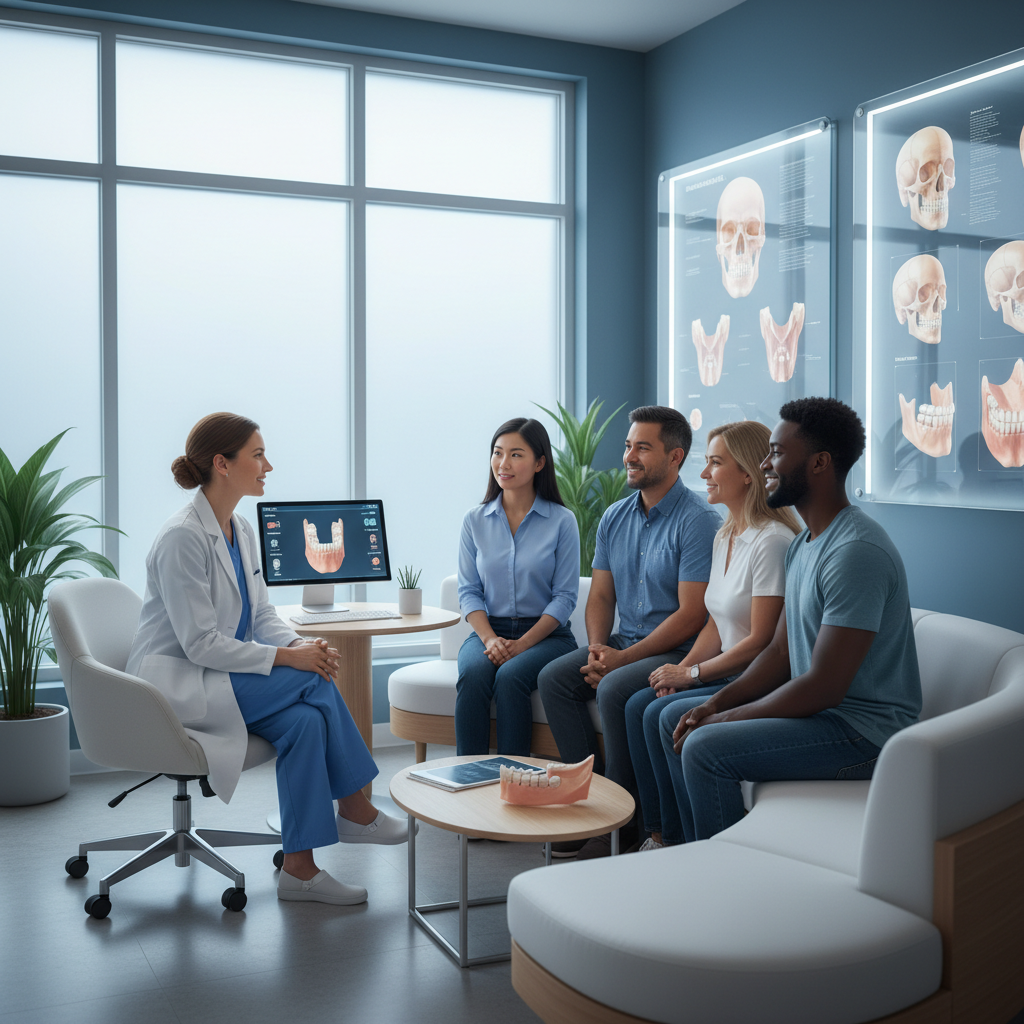
The journey begins with a thorough evaluation. This includes a physical exam, a review of sleep study results, and advanced imaging. Dr. Wolford uses 3D CT scans to visualize the airway obstruction and plan exactly how far the jaws need to be advanced to optimize breathing.
2. Pre-Surgical Preparation
In some cases, orthodontic treatment (braces) is required before surgery to align the teeth so they fit together correctly in the new jaw position. This phase ensures that the patient will have a functional bite after the jaws are moved.
3. The Procedure (Maxillomandibular Advancement)
The surgery is performed under general anesthesia in a hospital setting.
- Incisions: The surgeon makes incisions inside the mouth to access the jawbones, ensuring no visible scarring on the face.
- Bone Movement: The upper jaw (maxilla) and lower jaw (mandible) are carefully separated and moved forward.
- Fixation: Titanium plates and screws are used to secure the jaws in their new, advanced position. These hold the bones in place while they heal.
- Additional Procedures: Sometimes, a genioplasty (chin surgery) is performed simultaneously to further pull the tongue muscles forward and improve aesthetics.
4. Recovery
Patients typically stay in the hospital for a few days for monitoring. Initial recovery involves a liquid or soft diet for several weeks. While swelling and temporary numbness are common, most patients report that the immediate improvement in breathing is noticeable. Full bony healing generally takes about 6 to 12 weeks.
Case Study: Robert’s Journey to Better Health
Robert, a 50-year-old executive, had struggled with severe sleep apnea for over a decade. His snoring was disruptive to his marriage, and despite using a CPAP machine, he felt chronically exhausted. His sleep study revealed an Apnea-Hypopnea Index (AHI) of 45, meaning he stopped breathing 45 times per hour. He was also beginning to develop high blood pressure.
Frustrated with the mask and worried about his heart health, Robert consulted with Dr. Larry Wolford. Imaging revealed that Robert had a significantly retruded lower jaw and a narrow upper airway. Dr. Wolford recommended Maxillomandibular Advancement (MMA).
The surgery was a turning point. Six months post-surgery, Robert’s follow-up sleep study showed an AHI of less than 5, which is considered within the normal range. He no longer needed his CPAP machine. Robert reported waking up feeling truly refreshed for the first time in years. His blood pressure stabilized, and he had the energy to return to the gym. Robert’s case illustrates how addressing the anatomical root of the problem can restore health and vitality.
Taking Control of Your Sleep Health
Sleep apnea is a serious medical condition, but it is treatable. You do not have to settle for a life of fatigue or dependence on a machine if your anatomy is the cause of your struggle. Surgical advancements have made it possible to achieve a permanent cure and reclaim your quality of life.
If you suspect your jaw structure is affecting your sleep, consider exploring Understanding Jaw Surgery for Sleep Apnea: A Comprehensive Guide. A consultation with a specialist like Dr. Larry Wolford can help you determine if surgical intervention is the right path for you.
Helpful Resources
- American Academy of Sleep Medicine: Sleep Education
- American Sleep Apnea Association: Sleep Apnea Information
- National Heart, Lung, and Blood Institute: Sleep Apnea Guide