Imagine trying to chew a sandwich but finding your teeth just won’t meet properly. Or perhaps you wake up tired every morning because your jaw structure restricts your airway during sleep. For many people, jaw misalignment is a daily struggle that affects eating, speaking, breathing, and self-confidence. While braces are fantastic for straightening crooked teeth, they cannot always address the underlying skeletal problems when the jaws themselves are positioned incorrectly.
This is where orthognathic surgery becomes essential. Often referred to as corrective jaw surgery, this procedure involves moving the jaw bones into a more balanced, functional position. It is a transformative solution for patients whose dental and skeletal irregularities are too severe to be treated with orthodontics alone. Under the guidance of an expert like Dr. Larry Wolford, this surgery does more than just fix a bite; it can dramatically improve a patient’s quality of life.
What Causes Jaw Misalignment?
Jaw misalignment, clinically known as malocclusion, rarely stems from a single cause. It is often a complex interplay of genetic and environmental factors that affect how the facial bones develop. Understanding the root of the problem is the first step toward correcting it.
In many cases, the upper and lower jaws simply grow at different rates. This disparity can leave one jaw significantly larger or smaller than the other, creating bite issues that become apparent as a child grows into adolescence.
Common causes include:
- Genetics: Just as you inherit eye color, you often inherit jaw structure. An underbite, overbite, or asymmetry frequently runs in families.
- Developmental Issues: Birth defects or conditions present at birth can affect jaw formation.
- Trauma: An injury to the face or jaw, especially during childhood growth spurts, can damage the growth centers of the jaw, leading to uneven development.
- Tumors or Pathology: Cysts or tumors can displace jaw bone or teeth, altering the bite.
- Childhood Habits: Prolonged thumb sucking or pacifier use can physically reshape the jawbone and push teeth out of alignment.
The Life-Changing Benefits of Orthognathic Surgery
The decision to undergo surgery is significant, but the potential rewards are extensive. Patients often seek Dr. Larry Wolford because they want to fix a specific physical issue, but they often discover that the benefits extend far beyond their initial complaint.
Corrective jaw surgery improves basic oral functions and overall health in several ways:
- Restored Chewing Function: Properly aligned jaws allow patients to bite into and chew foods they may have avoided for years, improving digestion and nutrition.
- Improved Speech: Misaligned jaws can cause lisps or difficulty pronouncing certain sounds. Surgery can help clarify speech patterns.
- Relief from TMJ Pain: Correcting the bite reduces chronic strain on the temporomandibular joint (TMJ), alleviating jaw pain and headaches.
- Treatment of Sleep Apnea: For many patients, moving the jaws forward opens the airway significantly, treating obstructive sleep apnea and leading to better rest.
- Prevention of Tooth Wear: When teeth don’t meet correctly, they can grind against each other, causing premature wear and cracking.
- Facial Balance and Aesthetics: While function is the priority, surgery often results in a more balanced facial profile, which can profoundly boost self-esteem.
The Surgical Process: What to Expect
Orthognathic surgery is a journey that involves careful planning and collaboration between your oral surgeon and your orthodontist. It is not a single-day event but a process designed to ensure long-term stability and success.
Here is a general overview of the treatment phases:
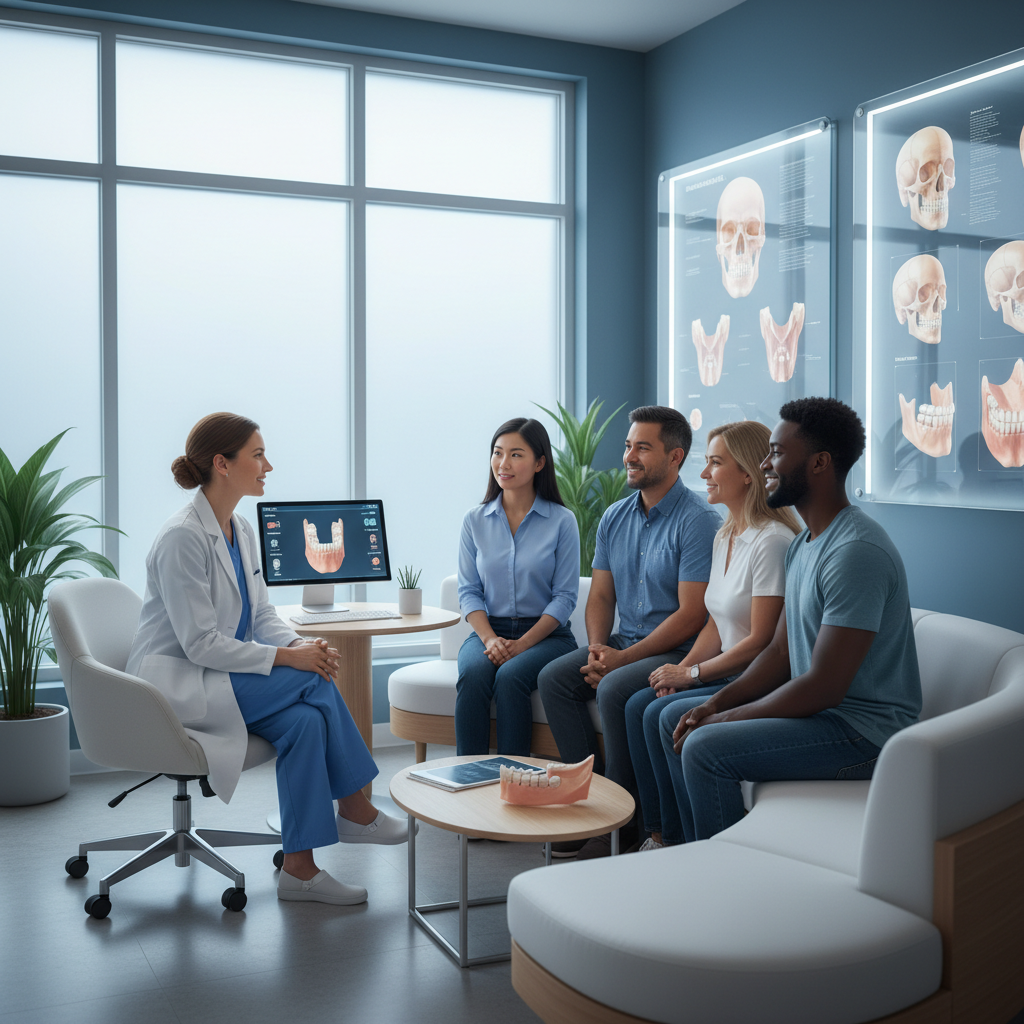
- Comprehensive Consultation: The process begins with a thorough evaluation. Dr. Larry Wolford uses advanced imaging, including X-rays and 3D models, to map out the exact movements required for your jaws.
- Pre-Surgical Orthodontics: Before surgery, you will likely wear braces for 12 to 18 months. This aligns the teeth independently in each jaw so they will fit together perfectly once the bones are moved.
- The Surgical Procedure: The surgery is performed under general anesthesia. The surgeon makes cuts in the jawbones to move them into the correct position. Tiny bone plates and screws are used to secure the jaws in their new locations. These are permanent and integrate with the bone.
- Recovery and Healing: Initial healing takes about six weeks, but complete bony healing can take longer. Patients typically adhere to a soft or liquid diet during the early recovery phase to protect the jaw.
- Post-Surgical Orthodontics: After the jaw has healed sufficiently, your orthodontist will “fine-tune” your bite with braces for a few final months.
Case Study: Michael’s Path to Better Breathing and Confidence
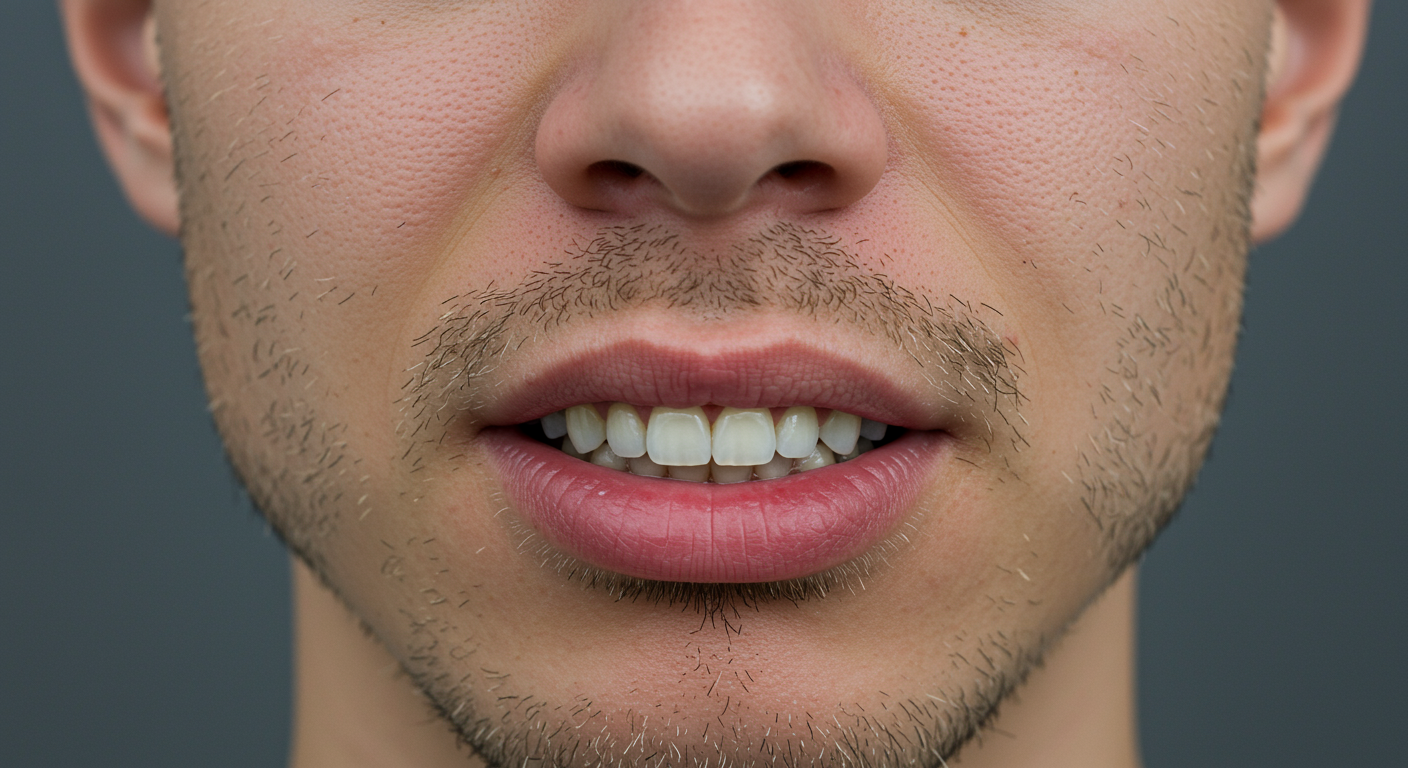
Michael, a 26-year-old teacher, came to Dr. Wolford’s practice struggling with a severe underbite (Class III malocclusion). His lower jaw protruded significantly past his upper jaw. This made it difficult for him to eat foods like pizza or sandwiches without cutting them into small pieces first. More concerning was his sleep; Michael suffered from obstructive sleep apnea because his upper jaw was set too far back, restricting his nasal airway.
Michael had tried camouflage orthodontics in his teens, but the skeletal discrepancy was too large. Dr. Wolford recommended a bimaxillary advancement—moving both the upper and lower jaws into a new forward position.
The surgery was transformative.
- Function: Michael could finally bite through food normally.
- Health: His airway opened significantly, resolving his sleep apnea and allowing him to wake up feeling rested for the first time in years.
- Aesthetics: The procedure balanced his facial profile, correcting the sunken appearance of his midface and the prominence of his chin.
Michael reported that while the recovery required patience, the improvement in his daily energy levels and self-confidence made the journey entirely worth it.
Taking the Next Step
Living with jaw misalignment can be physically draining and emotionally taxing, but you do not have to accept it as permanent. Modern surgical techniques allow for precise corrections that can restore function and harmony to your face.
If you believe your bite issues go beyond what braces can fix, it may be time to consult with a specialist. You can learn more about the specific procedures and verify if you are a candidate by reading The Role of Orthognathic Surgery in Correcting Jaw Misalignment.
Helpful Resources
- American Association of Oral and Maxillofacial Surgeons (AAOMS): Information on Jaw Surgery
- American Association of Orthodontists: Understanding Orthognathic Surgery