Recommended Resources:
- American Association of Oral and Maxillofacial Surgeons: Corrective Jaw Surgery Overview
- NIH: The Impact of Orthognathic Surgery on Quality of Life
- Dr. Larry Wolford: Patient Education and Case Studies
Your facial structure is a fundamental part of your identity. It’s how you express yourself, chew your food, and breathe. But what happens when your jaws don’t align correctly? The consequences go far beyond simple aesthetics. Misaligned jaws can cause chronic pain, digestive issues, speech impediments, and even life-threatening breathing problems.
Recommended Resources:
- American Association of Oral and Maxillofacial Surgeons: Corrective Jaw Surgery Overview
- NIH: The Impact of Orthognathic Surgery on Quality of Life
- Dr. Larry Wolford: Patient Education and Case Studies
Orthognathic surgery, or corrective jaw surgery, is a transformative procedure designed to address these complex issues. It realigns the jaws and teeth to improve their function and, in doing so, often enhances facial harmony. For patients who have struggled with daily discomfort or self-consciousness about their appearance, this surgery offers a path to profound and permanent change.
Recommended Resources:
- American Association of Oral and Maxillofacial Surgeons: Corrective Jaw Surgery Overview
- NIH: The Impact of Orthognathic Surgery on Quality of Life
- Dr. Larry Wolford: Patient Education and Case Studies
Dr. Larry Wolford is a world-renowned specialist in this field, combining decades of experience with cutting-edge technology to restore both function and confidence for his patients.
Recommended Resources:
- American Association of Oral and Maxillofacial Surgeons: Corrective Jaw Surgery Overview
- NIH: The Impact of Orthognathic Surgery on Quality of Life
- Dr. Larry Wolford: Patient Education and Case Studies
What is Orthognathic Surgery?
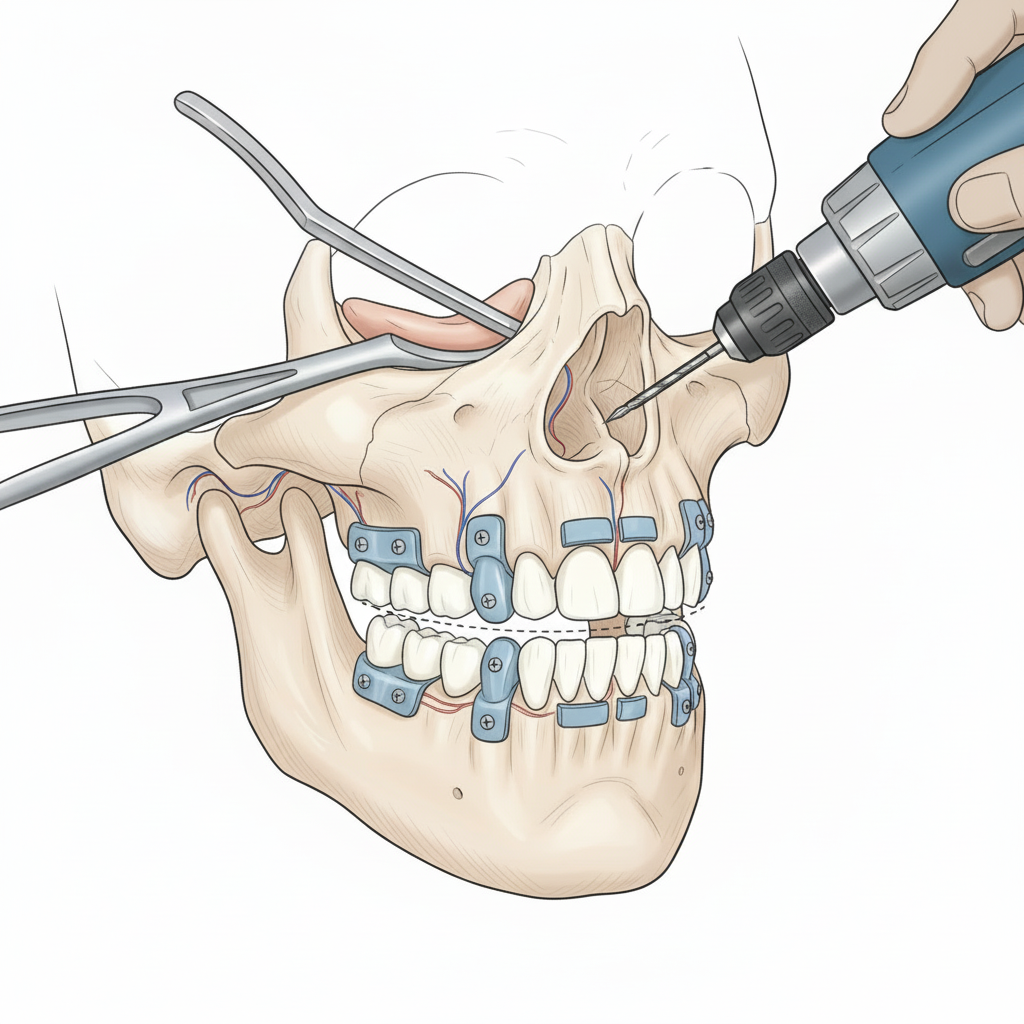
Orthognathic surgery is a specialized surgical procedure that corrects irregularities of the jaw bones. The goal is to move the upper jaw (maxilla), lower jaw (mandible), or both into a new position that is more balanced, functional, and healthy. For an in-depth overview, see the American Association of Oral and Maxillofacial Surgeons: Corrective Jaw Surgery Overview and additional details from the NIH: The Impact of Orthognathic Surgery on Quality of Life. You may also find insights into patient outcomes in The Impact of Orthognathic Surgery on Quality of Life – NIH, and information about the connection with sleep apnea from the . For patient education and real case studies, visit Dr. Larry Wolford: Patient Education and Case Studies.
This isn’t just about straightening teeth—that’s the job of orthodontics. In fact, orthodontics and orthognathic surgery often go hand-in-hand. An orthodontist will align the teeth within each jaw, and then a surgeon like Dr. Wolford will position the jaws themselves. The result is a bite that finally fits together as it should. For further details on how orthodontics and surgery work together, refer to the American Association of Oral and Maxillofacial Surgeons overview and patient experiences shared on Dr. Larry Wolford’s educational resources.
Think of it like building a house. Orthodontics arranges the furniture within each room, while orthognathic surgery ensures the foundation and walls of the house are properly aligned.
Who Needs Corrective Jaw Surgery?
Candidates for orthognathic surgery are typically individuals whose jaw problems are too severe to be resolved with orthodontics alone. These skeletal discrepancies can be present from birth, develop during growth, or result from trauma. For a comprehensive explanation, see the Corrective Jaw Surgery Overview by the American Association of Oral and Maxillofacial Surgeons, and explore patient stories and treatment considerations at Dr. Larry Wolford: Patient Education. The NIH also provides research on how jaw discrepancies can impact quality of life.
Common conditions treated with orthognathic surgery include:
(For detailed explanations of these conditions, visit the American Association of Oral and Maxillofacial Surgeons: Corrective Jaw Surgery Overview and review case studies at Dr. Larry Wolford: Patient Education. Supporting research can also be found in these NIH studies.)
- Severe Underbite (Prognathism): The lower jaw protrudes significantly past the upper jaw, causing difficulty chewing and a prominent chin.
- Severe Overbite (Retrognathia): The lower jaw is underdeveloped and sits too far back. This can lead to a “weak” chin, TMJ pain, and obstructive sleep apnea due to a narrowed airway.
- Open Bite: The front teeth (upper and lower) do not touch when the mouth is closed, making it impossible to bite into foods like sandwiches or pizza.
- Facial Asymmetry: One side of the jaw grows at a different rate than the other, leading to a visibly crooked or unbalanced facial appearance.
- Difficulty Chewing or Biting: Pain or inability to properly break down food, which can lead to digestive issues.
- Chronic TMJ Pain: Misalignment can put excessive strain on the temporomandibular joints, causing chronic pain, headaches, and clicking sounds.
- Breathing Problems: A recessed jaw can significantly restrict the airway, contributing to snoring and obstructive sleep apnea.
The Future of Surgery: 3D Virtual Surgical Planning
The success of corrective jaw surgery hinges on precision. A movement of just a few millimeters can make all the difference. That’s why modern orthognathic surgery relies on sophisticated technology. To learn more about these advancements, explore the American Association of Oral and Maxillofacial Surgeons’ overview of virtual surgical planning, read about real-world applications at Dr. Larry Wolford’s Patient Education, or review research studies on improved outcomes with these technologies through the NIH. Insights into sleep and breathing benefits are available from the .
Dr. Wolford is a pioneer in the use of 3D virtual surgical planning. This revolutionary approach allows him to perform the entire surgery on a computer before ever making an incision. To learn more about this technique, see the American Association of Oral and Maxillofacial Surgeons’ virtual planning overview, real-world insights at Dr. Larry Wolford’s Patient Education, and research showing improved surgical outcomes available from the NIH: The Impact of Orthognathic Surgery on Quality of Life. The also provides information on airway and sleep benefits.
Here’s how it works (Learn more about virtual surgical planning | NIH research on outcomes | Dr. Larry Wolford: Patient Insights):
- Advanced Imaging: A high-resolution 3D CT scan creates a perfect digital model of your skull, jaws, and teeth.
- Virtual Surgery: Using specialized software, Dr. Wolford can precisely measure the skeletal discrepancies and simulate the ideal jaw movements. He can test different approaches to find the one that yields the best functional and aesthetic outcome.
- Custom Guides: Based on the virtual plan, custom surgical guides and plates are 3D-printed. These guides fit perfectly onto your bone during the actual procedure, allowing Dr. Wolford to replicate the virtual plan with unparalleled accuracy.
This technology minimizes guesswork, reduces surgery time, and leads to more predictable and stable results for the patient. For more information about the benefits and clinical outcomes of this technology, refer to NIH research on quality of life, details from the American Association of Oral and Maxillofacial Surgeons, and Dr. Larry Wolford’s patient education resources.
The Two-Fold Benefit: Improving Health and Confidence
The most remarkable aspect of orthognathic surgery is its ability to deliver dual benefits. Patients not only experience a dramatic improvement in their physical health but also a significant boost in self-esteem. For additional information on these health and confidence benefits, read NIH: The Impact of Orthognathic Surgery on Quality of Life and see case studies at Dr. Larry Wolford: Patient Education.
Functional Improvements:
- Effortless Chewing: Biting into an apple or chewing steak becomes simple and pain-free.
- Clearer Speech: Correcting the jaw alignment can resolve certain speech impediments.
- Better Breathing: For patients with recessed jaws, advancing them opens the airway, which can cure or dramatically improve sleep apnea and eliminate snoring.
- Pain Relief: Alleviating the strain on the jaw joints can resolve chronic TMJ pain and associated headaches.
Aesthetic Improvements:
- Facial Harmony: Correcting an underbite, overbite, or asymmetry restores balance to the facial profile.
- Defined Jawline: Patients with a recessed lower jaw often gain a stronger, more defined chin and jawline.
- A Confident Smile: When the jaws are aligned, the teeth and smile naturally look more attractive and balanced.
This synergy between function and aesthetics is what makes the procedure so life-changing. Feeling better physically often translates directly into feeling more confident socially and professionally. To further explore these combined benefits, see NIH: The Impact of Orthognathic Surgery on Quality of Life and Dr. Larry Wolford: Patient Education and Case Studies.
Your Path to a Healthier Life
Living with a misaligned jaw is a daily struggle that you do not have to accept. Corrective jaw surgery is a well-established, safe, and effective procedure that addresses the root cause of your functional and aesthetic concerns. For more information on the benefits and research supporting this treatment, explore additional resources from the NIH, , and Dr. Larry Wolford’s Patient Education.
If you recognize yourself in the symptoms described, or if you believe your jaw structure is compromising your quality of life, it’s time to seek an expert opinion. For more information about orthognathic surgery and its benefits, review these supporting resources:
- American Association of Oral and Maxillofacial Surgeons: Corrective Jaw Surgery Overview
- NIH: The Impact of Orthognathic Surgery on Quality of Life
- Dr. Larry Wolford: Patient Education and Case Studies
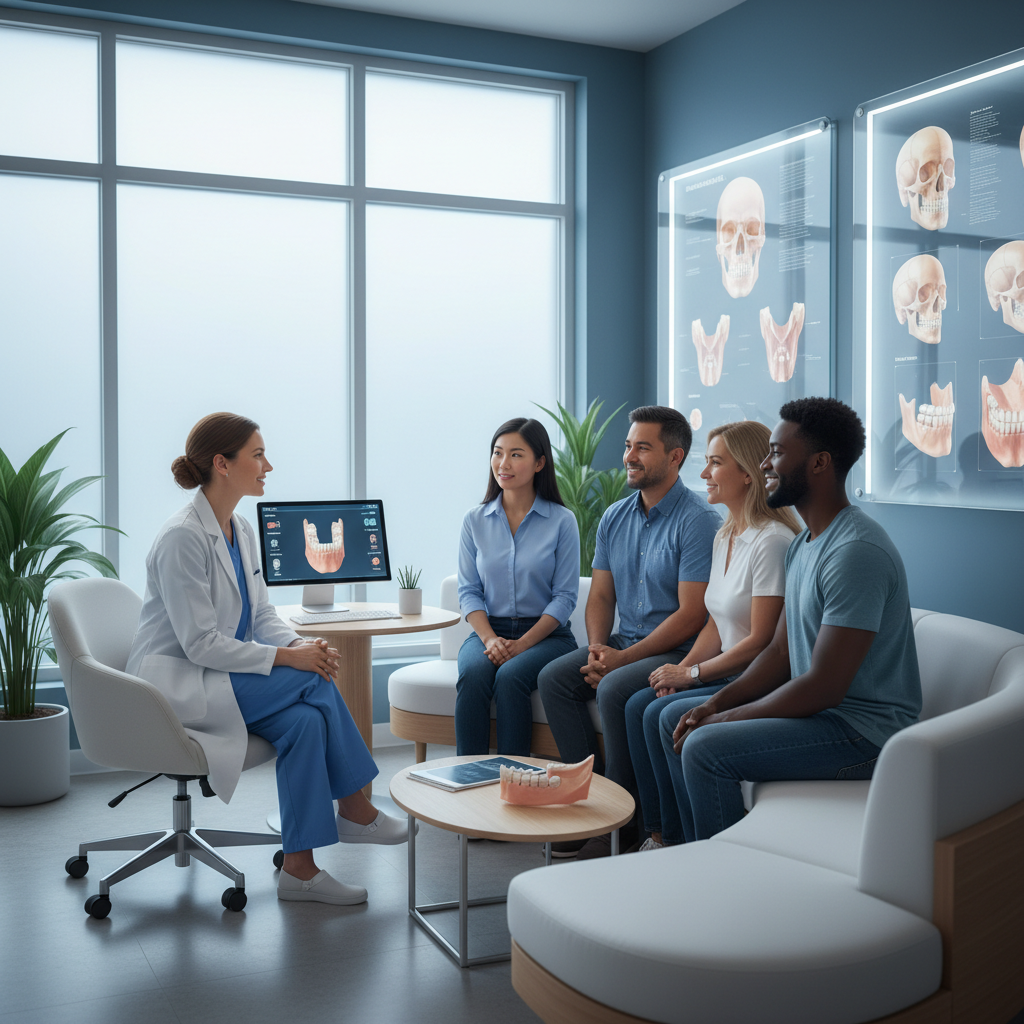
Take the first step towards a more functional, confident you. Contact our office today to schedule a comprehensive consultation with Dr. Larry Wolford. Let us help you explore the possibility of a future where you can chew, breathe, and smile with ease.
For more information, explore these supporting resources: