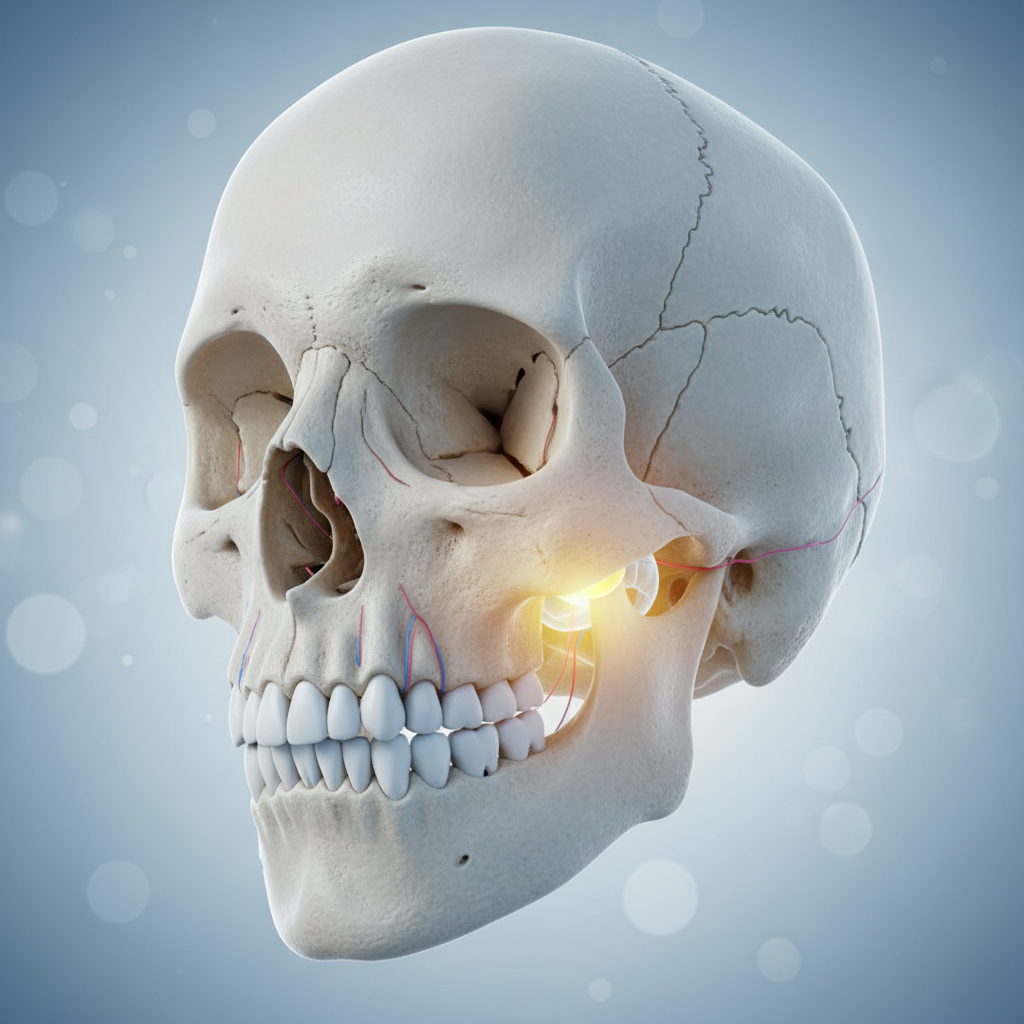
The temporomandibular joint (TMJ) is one of the most complex and frequently used joints in the human body. It allows you to talk, chew, swallow, and yawn. However, for millions of people, this essential hinge becomes a source of chronic pain and dysfunction. While conservative treatments often provide relief, certain structural issues within the joint require a more definitive solution.
This is where the role of maxillofacial surgery becomes critical. When non-surgical methods fail to alleviate symptoms, or when the joint damage is severe, surgical intervention offers a path back to a pain-free life.
This article explores the nature of TMJ disorders, the surgical options available, and why expertise—specifically the world-class experience of Dr. Larry Wolford—is vital for successful outcomes.
Understanding TMJ Disorders
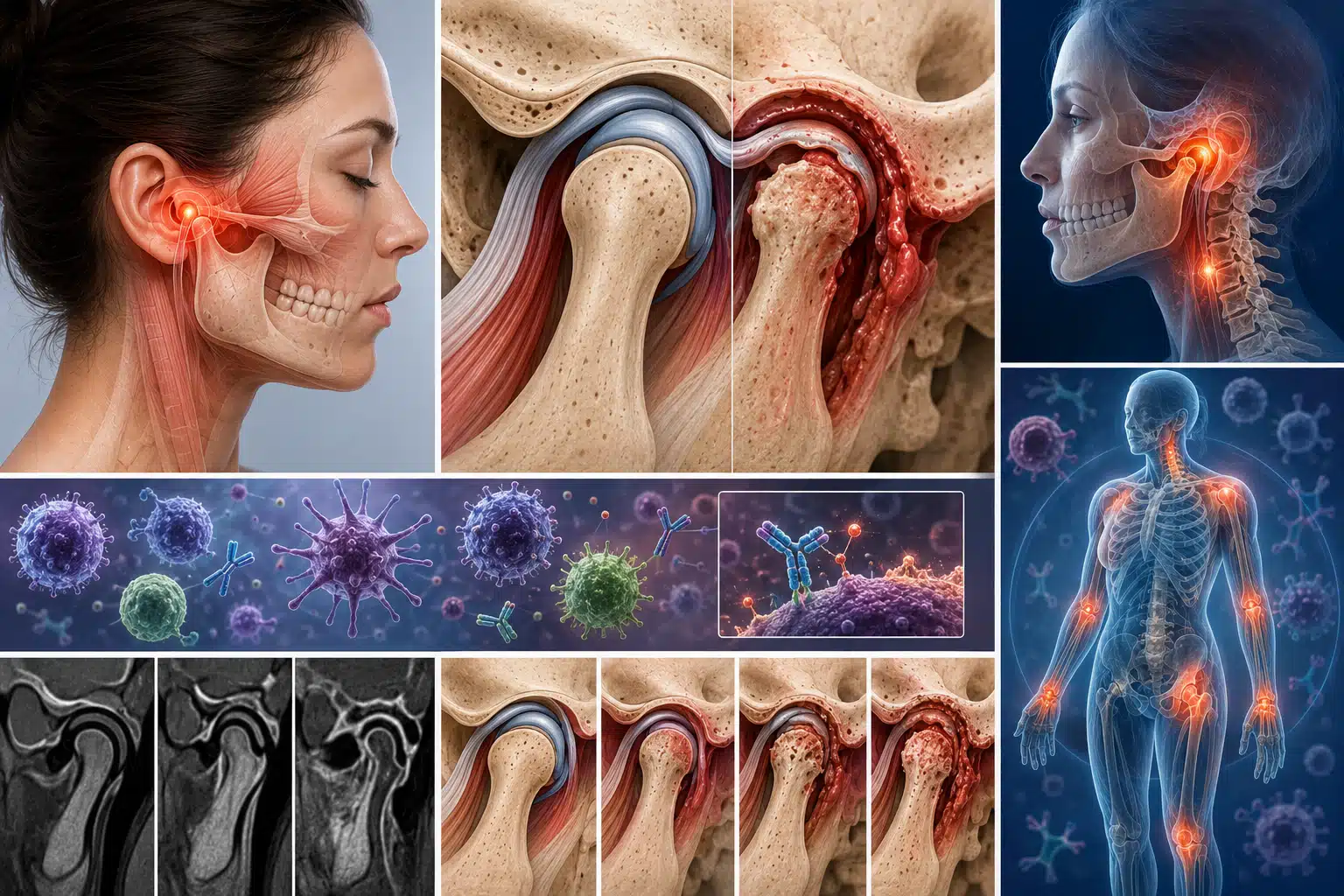
Temporomandibular joint disorders (TMD) encompass a range of conditions affecting the jaw joints and surrounding muscles. The pain can be localized to the jaw or radiate to the face, head, and neck.
The causes of TMD are varied and often multifactorial. They can stem from:
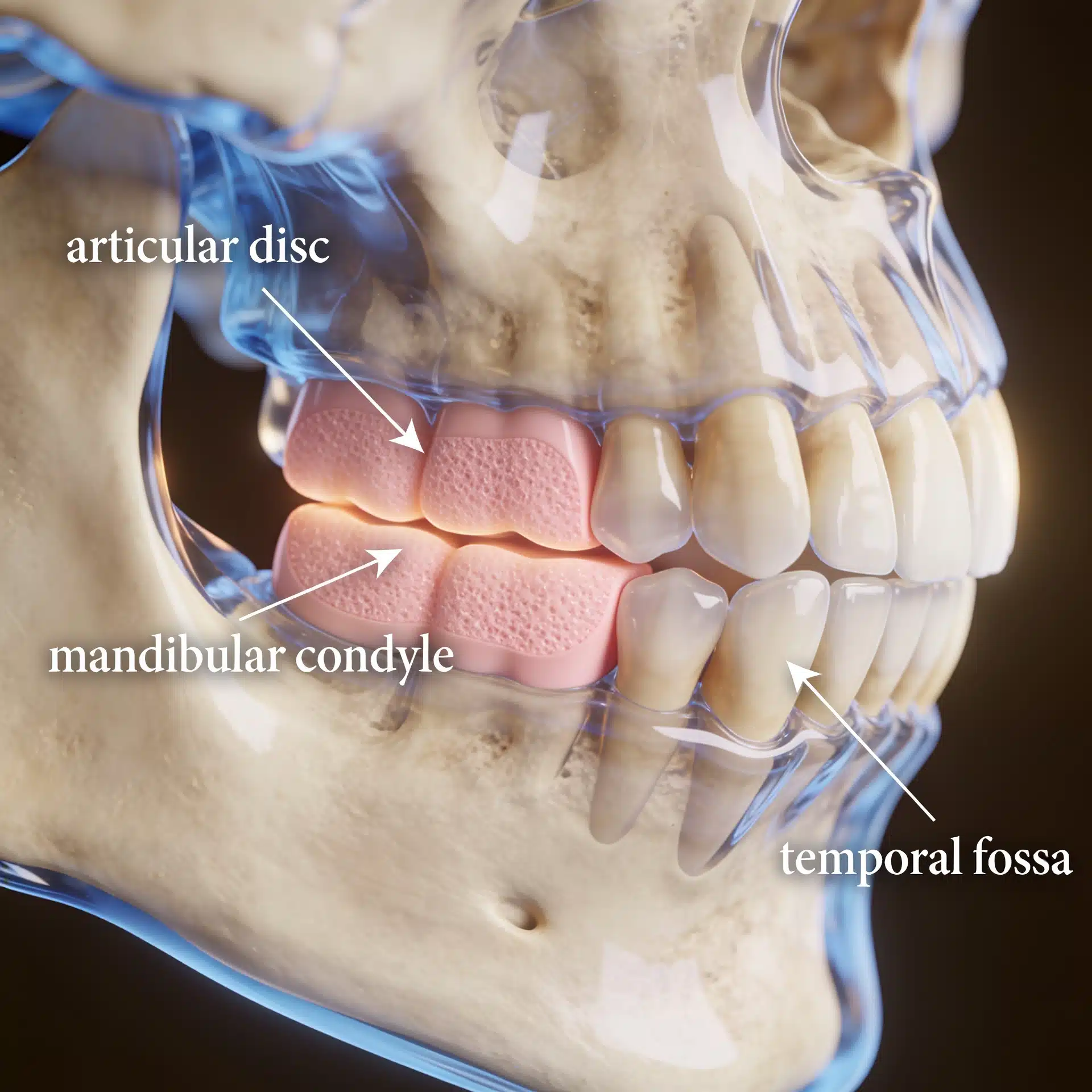
- Internal Derangement: Displacement of the disc that cushions the joint movement.
- Arthritis: Degenerative or rheumatoid arthritis wearing down the bone and cartilage.
- Trauma: Previous injury to the jaw or head.
- Congenital Defects: Structural abnormalities present from birth.
- Bruxism: Chronic teeth grinding that places excessive stress on the joint.
According to the National Institute of Dental and Craniofacial Research, TMD affects between 5% and 12% of the population, with prevalence higher among younger people. While many cases resolve on their own, persistent cases can lead to severe limitations in jaw function and quality of life.
Recognizing the Symptoms
Patients who need surgical intervention often present with symptoms that go beyond occasional discomfort. These include:
- Lockjaw: Inability to open or close the mouth fully.
- Crepitus: Grating, clicking, or popping sounds accompanied by pain during movement.
- Chronic Pain: Persistent aching in the jaw, ear, or temple area.
- Malocclusion: A sudden change in the way the upper and lower teeth fit together.
When Is Surgery Necessary?
Most oral and maxillofacial surgeons recommend starting with reversible, conservative therapies. These include bite guards, physical therapy, medications, and stress management. However, surgery becomes the indicated treatment when:
- Conservative measures have failed after a reasonable trial period.
- There is distinct structural damage to the joint (confirmed via MRI or CT scans).
- The patient experiences severe functional impairment (e.g., restricted eating or speaking).
- There is significant pathology, such as tumors or ankylosis (fusion of the bones).
Surgical Solutions for TMJ Disorders
Maxillofacial surgery for TMJ ranges from minimally invasive procedures to total joint replacement. The choice of procedure depends entirely on the specific diagnosis and severity of the joint pathology.
1. Arthrocentesis and Arthroscopy
These are minimally invasive procedures often used as a first line of surgical defense.
- Arthrocentesis: Involves washing out the joint with sterile fluid to remove inflammatory byproducts and release adhesions (scar tissue) that restrict movement.
- Arthroscopy: A small camera (arthroscope) is inserted into the joint through a tiny incision. This allows the surgeon to visualize the joint directly and perform minor repairs, such as repositioning the disc or removing inflamed tissue.
2. Open Joint Surgery (Arthroplasty)
When the structural issues are too complex for arthroscopy, open joint surgery is required. This involves a traditional incision to expose the joint. It is often necessary for removing tumors, repairing severe bone degeneration, or addressing ankylosis.
3. Total Joint Replacement (TJR)
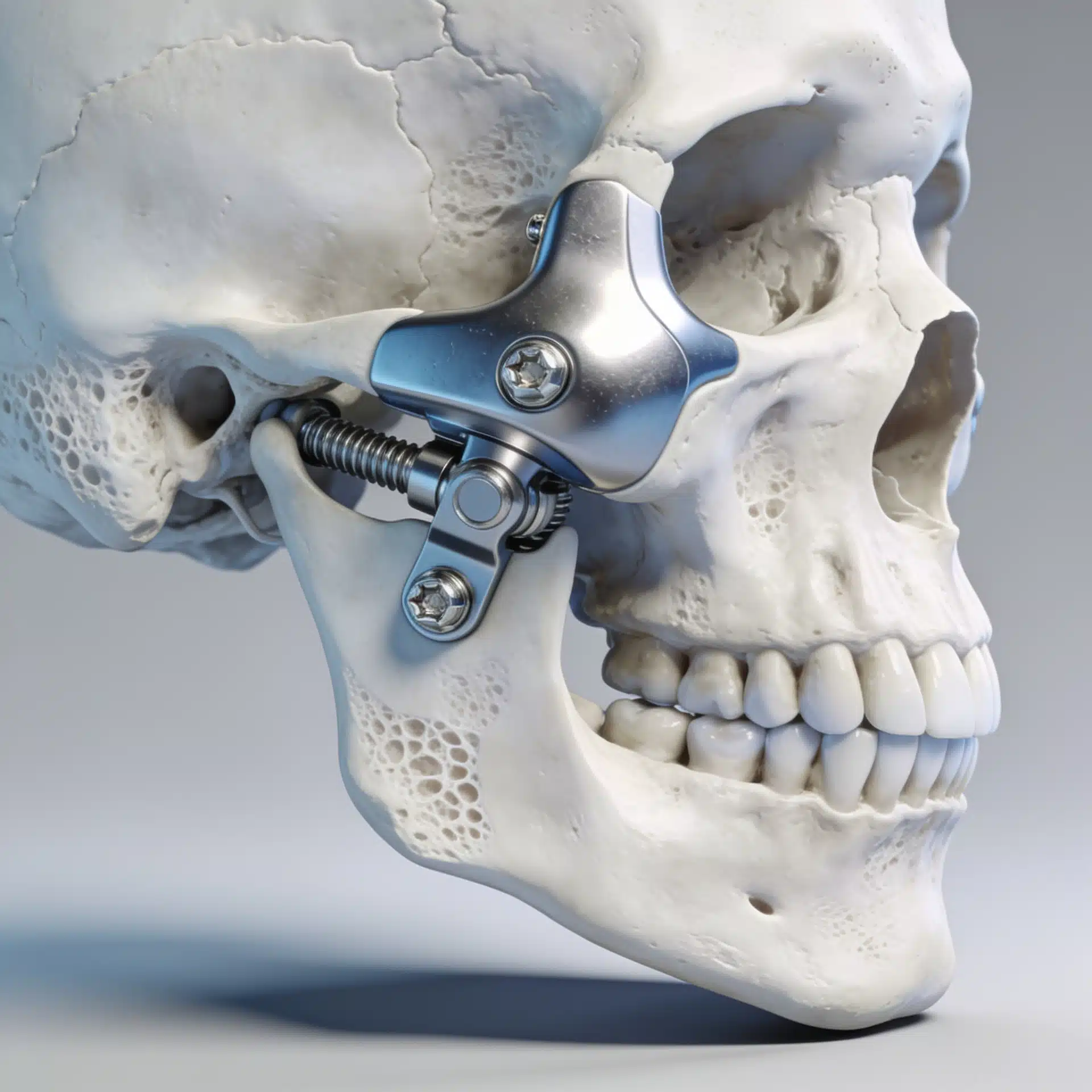
In cases of end-stage joint disease—where the bone is severely damaged, fused, or resorbed—replacing the joint may be the only viable option. Similar to a hip or knee replacement, the diseased parts of the jaw joint are removed and replaced with a custom-made prosthesis.
The TMJ Association notes that total joint replacement has evolved significantly, offering patients with severe degeneration a chance to regain function and reduce pain significantly.
The “Wolford Approach”: Expertise in Complex TMJ Care
TMJ surgery is notoriously complex. The joint is small, the anatomy is intricate, and it is surrounded by critical nerves and blood vessels. Success relies heavily on the surgeon’s precision and experience.
Dr. Larry Wolford is a recognized pioneer in this field. His contributions to the understanding and treatment of TMJ pathologies have set global standards.
Concomitant TMJ and Orthognathic Surgery
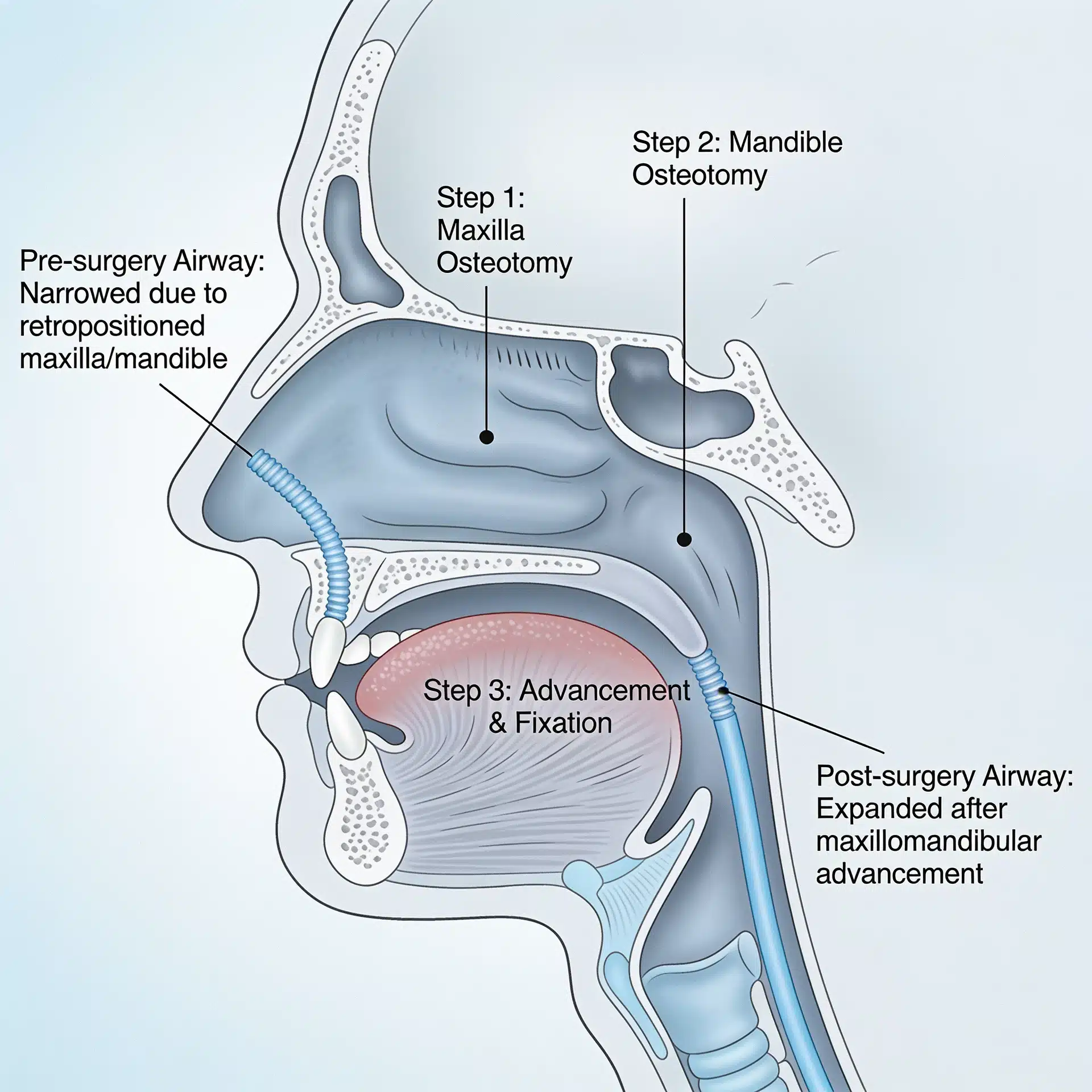
One of Dr. Wolford’s distinct areas of expertise is the ability to perform TMJ surgery and orthognathic (corrective jaw) surgery simultaneously. Many patients with TMJ disorders also suffer from jaw misalignment. Traditionally, these issues were treated separately, prolonging recovery time. Dr. Wolford’s integrated approach corrects the joint pathology and the jaw alignment in a single operation. This “concomitant” approach reduces total treatment time and improves the stability of the final result.
Custom Prostheses
Dr. Wolford utilizes advanced custom-fitted total joint prostheses. Using 3D imaging and virtual surgical planning, these devices are tailored to the exact anatomy of the patient. This ensures a precise fit, better function, and longevity of the implant compared to stock devices.
Mitek Anchor Technique
For patients with displaced discs who do not require total replacement, Dr. Wolford developed the Mitek anchor technique. This procedure repositions the articular disc and secures it to the condyle (the rounded end of the jawbone) using a small anchor. This innovation has provided a stable, long-term solution for disc displacement that previous methods often failed to achieve.
Recovery and Outlook
Recovery from TMJ surgery varies by procedure. Minimally invasive options may require only a few days of downtime, while total joint replacement involves a longer recovery period including physical therapy to regain range of motion.
Regardless of the procedure, the goal remains the same: restoring function and eliminating pain. With modern surgical techniques and proper post-operative care, the success rate for these surgeries is high, offering patients a renewed ability to eat, speak, and live comfortably.
Take the First Step Toward Relief
Living with chronic jaw pain can be debilitating, but you do not have to accept it as your new normal. If you have exhausted conservative treatments without success, or if you suspect you have a structural issue within your jaw joint, it is time to consult a specialist.
Dr. Larry Wolford’s practice is dedicated to solving the most complex maxillofacial challenges with compassion and cutting-edge science.
Don’t let TMJ pain control your life. Contact our office today to schedule a consultation and discover if maxillofacial surgery is the right solution for you.